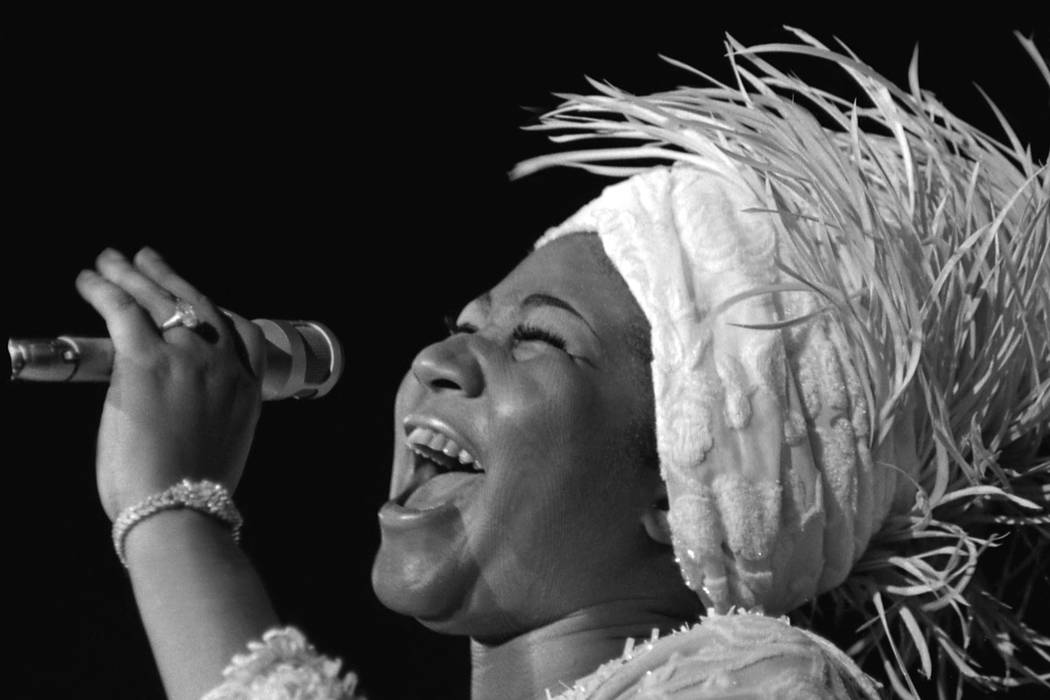
Introduction to Aretha Franklin's "Respect"
Released in 1967, Aretha Franklin's "Respect" is a defining track of the soul genre and a powerful anthem of empowerment. Originally written and recorded by Otis Redding in 1965, Franklin's rendition transformed the song into a cultural milestone, resonating with the burgeoning civil rights and feminist movements of the 1960s.
Cultural Impact in the 1960s
Amidst the backdrop of the British Invasion and the rise of Motown, Franklin's "Respect" stood out as a beacon of soul music. Her commanding vocal performance and the song's assertive message of dignity and self-worth struck a chord during a decade marked by protest culture and social change. The track topped the Billboard Hot 100 and earned Franklin two Grammy Awards, solidifying her status as the "Queen of Soul."
Production & Sound
Recorded at Atlantic Records' studio in New York, the production of "Respect" features a dynamic arrangement with a prominent horn section and a driving rhythm. The call-and-response interplay between Franklin and her backing singers, the Sweet Inspirations, adds a gospel-infused energy that elevates the song's intensity. This innovative approach to the arrangement helped set a new standard for soul music production.
Notable Live Performances
One of the most memorable live renditions of "Respect" was Aretha Franklin's performance at the 1968 Democratic National Convention. Her powerful delivery and the song's message resonated deeply with the audience, further cementing its place in American cultural history.
Modern Legacy
Decades later, "Respect" remains relevant as both a musical masterpiece and a symbol of empowerment. Its influence is evident in numerous covers by artists across genres, including a notable version by Diana Ross. The track's enduring popularity is a testament to Franklin's unparalleled artistry and its timeless message of self-respect and equality.

Comments (0)