Introduction
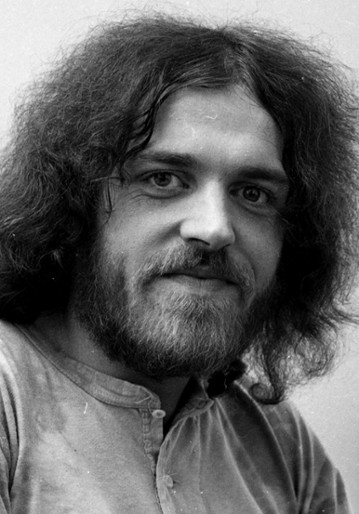
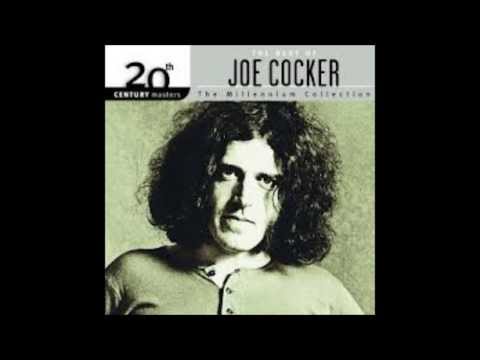
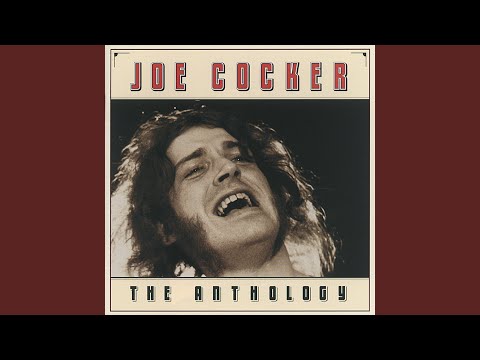
"Cry Me a River" by Joe Cocker, released in the 1970s, is a compelling rendition that showcases Cocker's powerful vocal delivery. This track is a standout example of the blues-rock genre, capturing the raw emotion and soulful intensity that defined much of Cocker's work during this era.
Cultural Context
The 1970s were a vibrant period for music, marked by the emergence of disco, funk, and the continued evolution of rock. Joe Cocker's version of "Cry Me a River" aligns with the blues-rock movement, which was characterized by its fusion of rock's energy with the emotional depth of blues. This era emphasized live band performances and analog warmth, both of which are evident in Cocker's recording.
Production & Sound
The production of "Cry Me a River" is notable for its rich, textured arrangement. The track features a dynamic blend of electric guitar riffs, a steady rhythm section, and Cocker's gritty, impassioned vocals. This combination creates a powerful soundscape that is both evocative and engaging, drawing listeners into the emotional core of the song.
Notable Live Performance
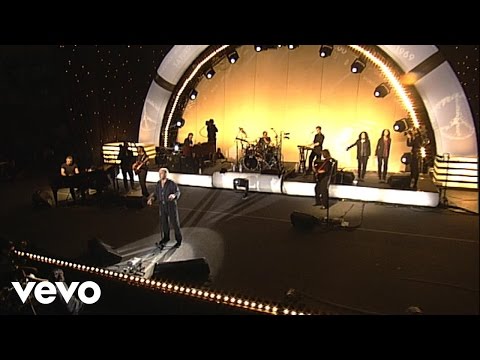
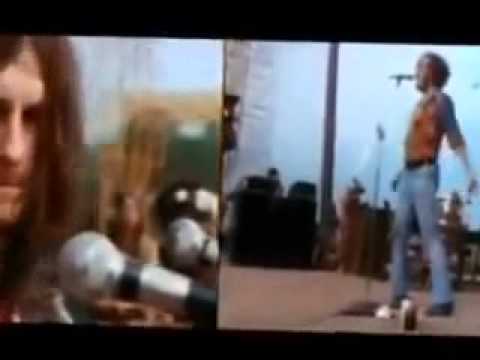
One of the most memorable live performances of this track was at the Woodstock '94 festival, where Cocker's rendition captivated the audience with its raw energy and emotional depth. This performance highlighted Cocker's ability to connect with his audience, further cementing the track's legacy in rock history.
Modern Legacy
"Cry Me a River" remains a relevant and influential track due to its timeless appeal and emotional resonance. Joe Cocker's interpretation continues to inspire artists across genres, demonstrating the enduring power of blues-rock. The track's impact is felt not only in its original form but also through various covers that pay homage to Cocker's iconic performance.



Comments (0)