Introduction to 'Dreams'
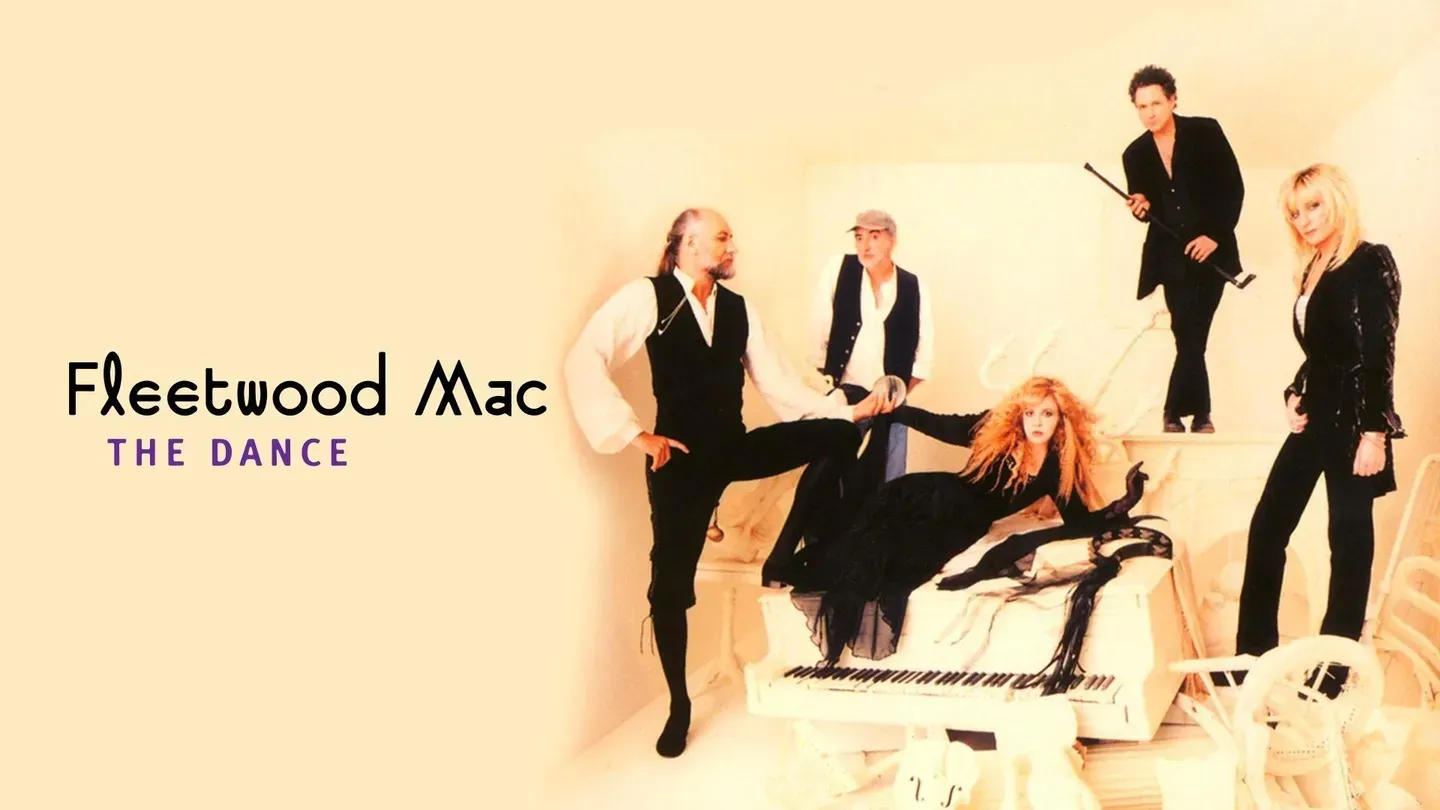
"Dreams" by Fleetwood Mac, released in 1977 as part of their critically acclaimed album "Rumours," stands as a quintessential track of the 1970s. This song showcases the band's unique blend of soft rock and pop, characterized by its smooth melodies and introspective lyrics. Written by Stevie Nicks, "Dreams" became one of Fleetwood Mac's most successful singles, reaching the top of the Billboard Hot 100 chart.
Cultural Context and Impact
Emerging during a time when disco and funk were dominating the airwaves, "Dreams" offered a refreshing contrast with its laid-back, ethereal sound. The 1970s were marked by a diverse musical landscape, with the rise of singer-songwriters and the emergence of punk. Fleetwood Mac managed to carve out a niche in this era with their harmonious blend of rock and pop elements, making "Dreams" a timeless classic.
Production and Sound
The production of "Dreams" is notable for its warm, analog sound, a hallmark of the 1970s recording techniques. The track features a steady, understated drum beat and a simple yet effective bass line that underpins the dreamy, reverb-laden guitar work. Stevie Nicks' haunting vocals float effortlessly over the instrumentation, creating an immersive listening experience that has captivated audiences for decades.
Notable Covers and Legacy
"Dreams" has been covered by numerous artists, but one of the most notable versions is by The Corrs, who brought their own Celtic pop-rock flair to the song in 1998. This cover introduced "Dreams" to a new generation, cementing its status as a staple in popular music. The track's enduring appeal lies in its universal themes and timeless sound, ensuring its relevance in both classic rock and modern playlists.





Comments (0)