Introduction to Back to Black
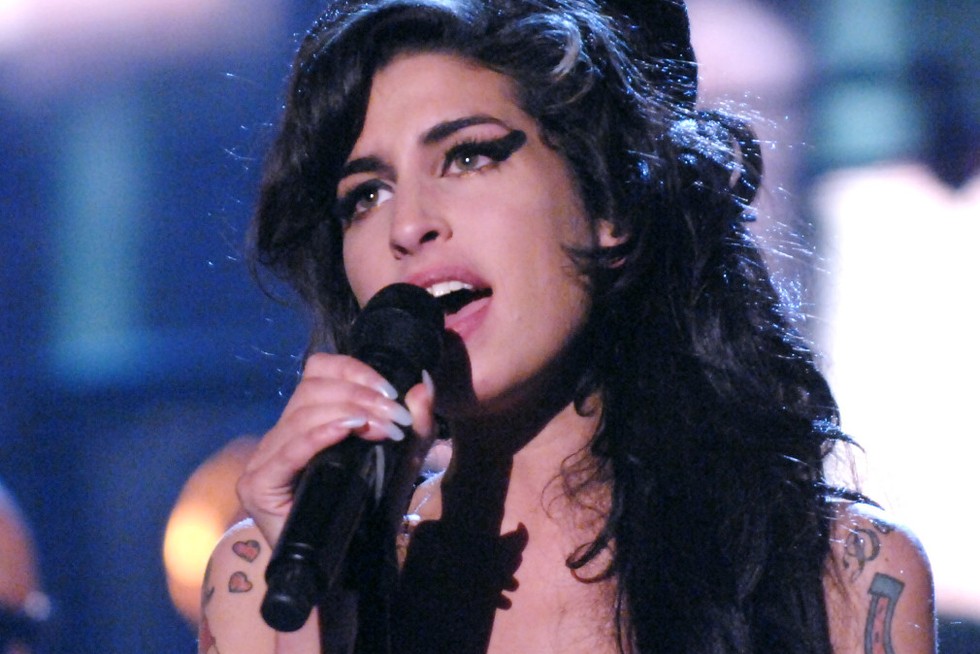
"Back to Black" by Amy Winehouse, released in the mid-2000s, stands as a defining track of its decade. Rooted in the neo-soul genre, this song showcases Winehouse's raw vocal prowess and emotional depth. It is the title track from her critically acclaimed second studio album, which solidified her status as a significant figure in music.
Cultural Context and Impact
Emerging during a time when pop, R&B, and hip-hop were dominating the charts, "Back to Black" offered a refreshing throwback to the soulful sounds of the 1960s. Its release coincided with the Y2K era's exploration of genre fusion, making it a standout piece amidst the autotune-heavy tracks of the time. The song's candid lyrics and vintage-inspired production resonated with audiences, earning it multiple award nominations and a lasting legacy.
Production and Sound
Produced by Mark Ronson, the track features a rich arrangement that includes a lush orchestral backdrop, combining strings and horns with Winehouse's distinctive voice. This meticulous production choice contributes to its timeless quality, blending modern recording techniques with classic soul influences. The song's melancholic tone and poignant lyrics reflect Winehouse's personal struggles, adding an authentic emotional layer to the music.
Notable Versions and Legacy
"Back to Black" has been covered by various artists, but one of the most notable renditions came from Beyoncé and André 3000 for the 2013 film adaptation of "The Great Gatsby." This cover introduced the song to a new generation, highlighting its enduring appeal. The track remains relevant today, often cited as an influence by contemporary artists who admire its honest storytelling and innovative production.





Comments (0)