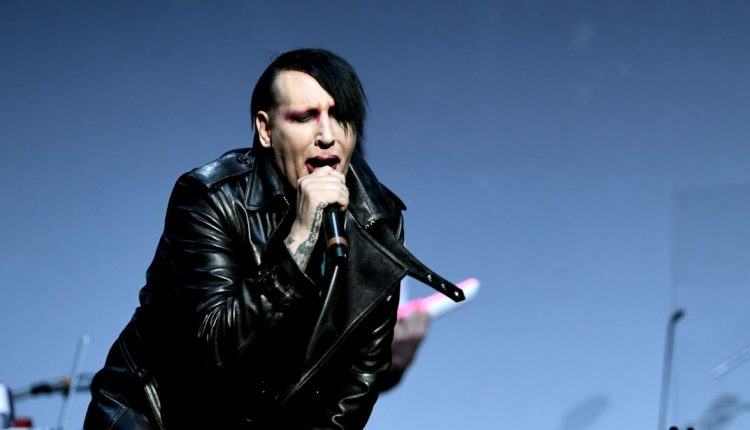
 Marilyn Manson
The Fight Song
Introduction
"The Fight Song" by Marilyn Manson, released in the early 2000s, stands as a defiant anthem from the era of Y2K pop and rock fusion. Known for its aggressive sound and rebellious lyrics, the track encapsulates the spirit of early 2000s alternative rock, resonating with listeners who craved a raw and energetic musical experience.
Cultural Context
Emerging during a time when pop-rock and alt-rock dominated the airwaves, "The Fight Song" captured the angst and unrest of a generation. This period saw the rise of autotune and hip-hop influences, yet Manson's track remained firmly rooted in the rock genre, offering a stark contrast with its powerful guitar riffs and driving drum beats.
Production & Sound
The track is characterized by its heavy guitar riffs and intense drum patterns, creating a sound that is both aggressive and anthemic. The production, helmed by Marilyn Manson and Dave Sardy, emphasizes a raw and unpolished sound, which was a deliberate choice to amplify the song's rebellious message. The use of layered vocals adds to the track's intensity, making it a standout piece in Manson's discography.
Notable Live Performances
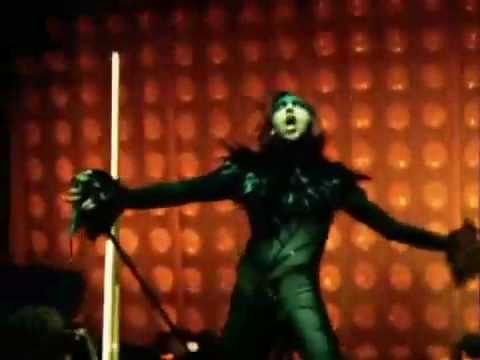
One of the most memorable live performances of "The Fight Song" occurred during the 2001 Ozzfest tour, where Manson's theatrical stage presence and the song's explosive energy captivated audiences. This performance is often cited as a highlight of the tour, showcasing the track's enduring appeal and Manson's ability to engage and provoke.
Modern Legacy
Despite the evolving musical landscape, "The Fight Song" remains relevant, often featured in playlists that celebrate the era's defining rock anthems. Its powerful message and dynamic sound continue to resonate with new generations, ensuring its place as a staple in rock music history.


Comments (0)