Alice Coltrane — Music Videos
Play All Alice Coltrane tracks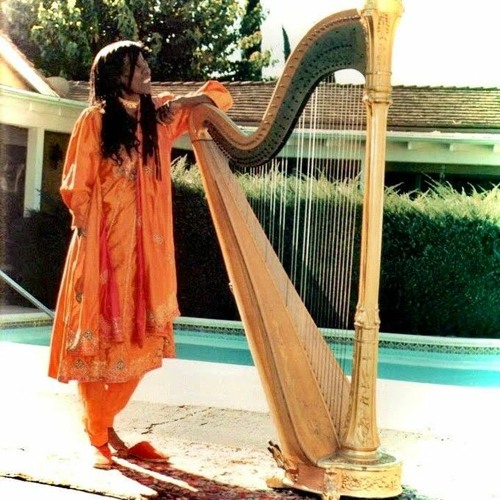
Signature Style
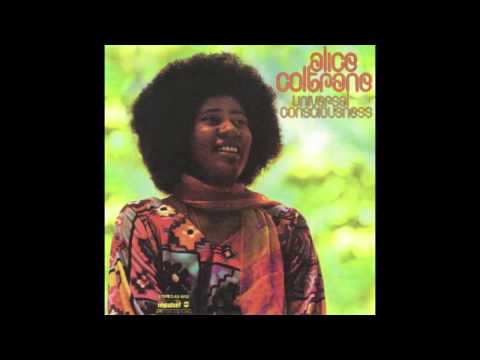
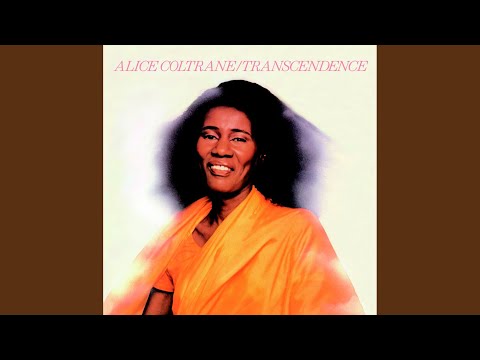
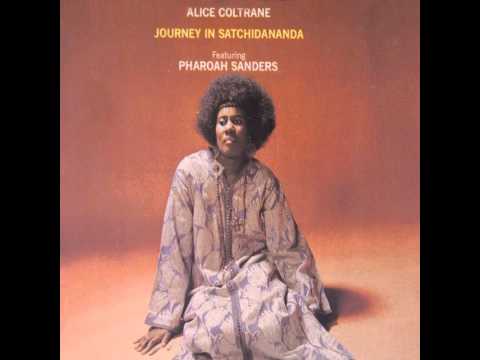
Alice Coltrane was revered for her unique blend of spiritual jazz and avant-garde music, crafting a sound that was both ethereal and deeply rooted in the traditions of jazz. Her signature style was characterized by the use of the harp, which she integrated into jazz compositions in a way that was both innovative and transformative. She also frequently played the piano and organ, infusing her music with a mystical quality that drew from Eastern spiritual traditions. Her compositions often featured complex, layered arrangements that combined elements of modal jazz, free jazz, and world music, creating a transcendent listening experience. Albums such as "Journey in Satchidananda" and "A Monastic Trio" are quintessential examples of her ability to weave together intricate melodies and spiritual themes, establishing her as a pioneering figure in the genre.
Career Highlights
Throughout her illustrious career, Alice Coltrane made significant contributions to the world of jazz, both as a solo artist and in collaboration with other musicians. She began her career as a pianist in the early 1960s, playing with notable figures like Terry Gibbs and eventually joining the band of her husband, John Coltrane. After his passing, she embarked on a solo career that saw the release of several critically acclaimed albums. Her 1970 album "Ptah, the El Daoud" is often cited as one of her masterpieces, showcasing her skillful blend of jazz and Eastern influences. In addition to her solo work, she collaborated with jazz luminaries such as Pharoah Sanders and Rashied Ali, further cementing her place in the jazz pantheon. Her work was recognized with numerous accolades, including a Grammy nomination, and she was celebrated for her contributions to the development of spiritual jazz.
Cultural Impact & Legacy
Alice Coltrane's impact on the music world extends far beyond her recordings. As a trailblazer in the spiritual jazz movement, she inspired a generation of musicians to explore the intersection of music and spirituality. Her innovative use of the harp and her incorporation of Eastern philosophies into her music paved the way for future artists to experiment with genre and form. Her influence can be seen in the work of contemporary musicians who continue to draw inspiration from her groundbreaking approach to composition and performance. In addition to her musical legacy, she founded the Vedantic Center and the Sai Anantam Ashram, where she continued to explore the spiritual dimensions of her work. Her enduring legacy is a testament to her profound impact on the world of jazz and her ability to transcend musical boundaries, leaving an indelible mark on the cultural landscape.
Other Artists
Discover more voices we think you'll enjoy right now.