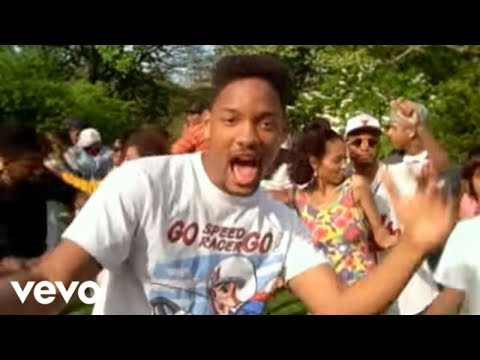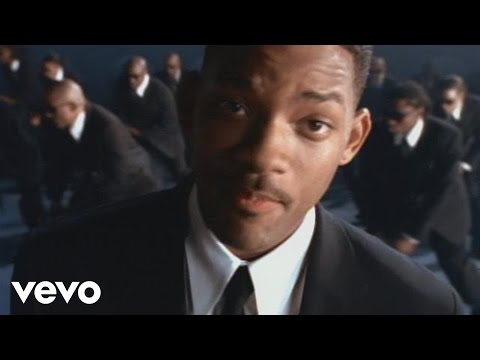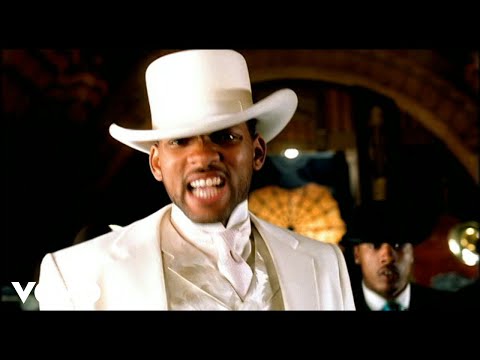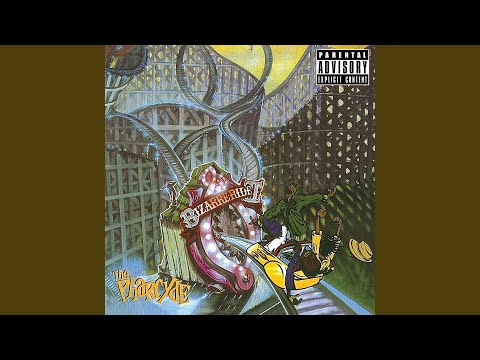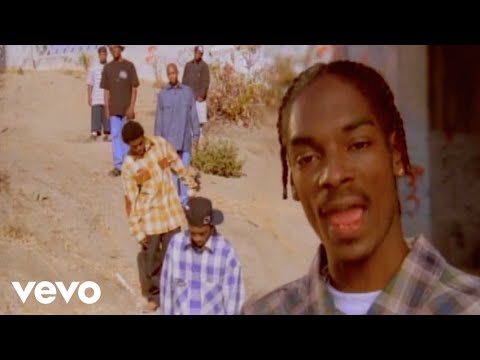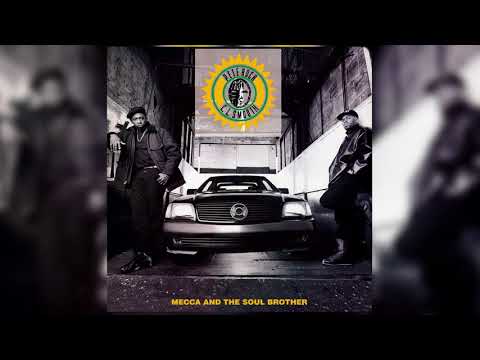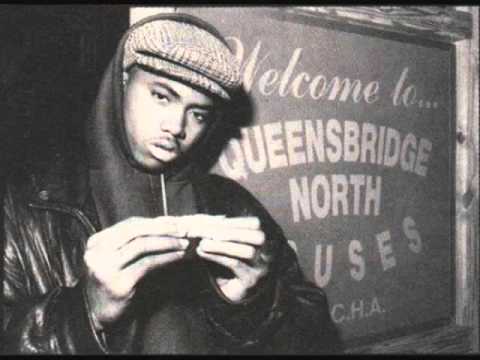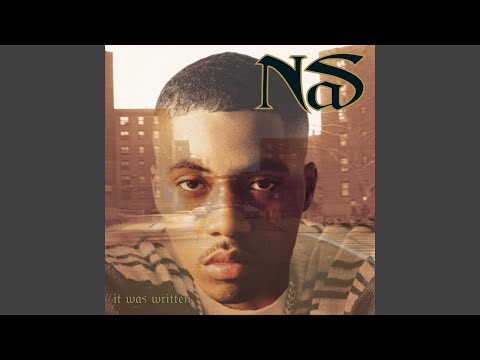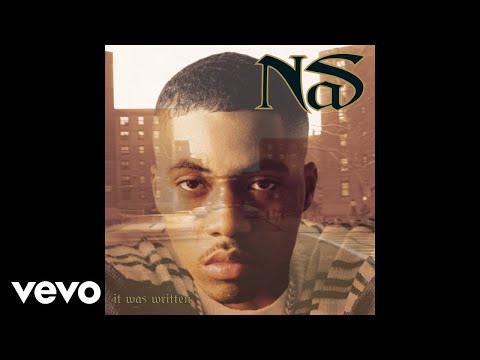
The 1990s marked a transformative period for Hip-Hop, solidifying its place as a dominant force in the music industry. Emerging from the underground, it became a powerful voice of expression, reflecting the socio-political climate and the diverse experiences of urban life. This decade saw Hip-Hop transcending boundaries and influencing a global audience.
During this era, the genre evolved both musically and culturally. The East Coast/West Coast rivalry defined much of the decade, with artists like The Notorious B.I.G. and Tupac Shakur becoming household names. Meanwhile, the rise of Southern Hip-Hop began to take shape, with acts like OutKast and UGK bringing new sounds and stories to the forefront.
Musically, the 1990s Hip-Hop was characterized by its innovation and diversity. The use of sampling became more sophisticated, and producers like Dr. Dre and DJ Premier pushed the boundaries of what Hip-Hop could sound like. Lyrically, the genre tackled themes ranging from social justice to personal struggles, offering listeners a raw and unfiltered look at reality.
The legacy of 1990s Hip-Hop continues to resonate today, influencing countless artists and shaping the sound of modern music. Its impact is seen in the way it broke barriers, bringing Hip-Hop culture into mainstream consciousness and setting the stage for the genre's continued evolution and global reach.