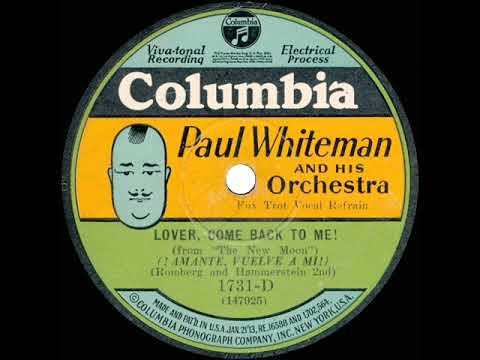
The 1920s were a transformative decade for pop music, marked by the exuberance and innovation of the Jazz Age. As America emerged from World War I, a cultural renaissance took place, and music was at the forefront of this vibrant era. Pop music of the 1920s saw the fusion of jazz rhythms, spirited dance tunes, and the rise of radio, bringing music into homes across the nation.
The cultural and musical context of the 1920s was defined by rapid economic growth and technological advancements. The phonograph and the radio became household staples, revolutionizing how people accessed music. This period also saw the roaring nightlife of speakeasies and the Charleston dance craze, with pop music providing the lively soundtrack. Artists like Louis Armstrong and Bessie Smith became icons, influencing not just music but the broader cultural landscape.
Pop music in the 1920s was characterized by its catchy melodies, syncopated rhythms, and improvisational flair. The decade was a melting pot of musical influences, from ragtime to blues, setting the stage for future pop genres. The rise of the big band sound and the popularity of dance bands made pop music a central part of social gatherings and public entertainment.
The legacy of 1920s pop music endures in its influence on subsequent music styles. The era paved the way for the swing and big band sounds of the 1930s and 1940s, while its spirit of innovation continues to inspire modern musicians. The cultural impact of the Jazz Age left an indelible mark, shaping the evolution of pop culture and music for generations to come.