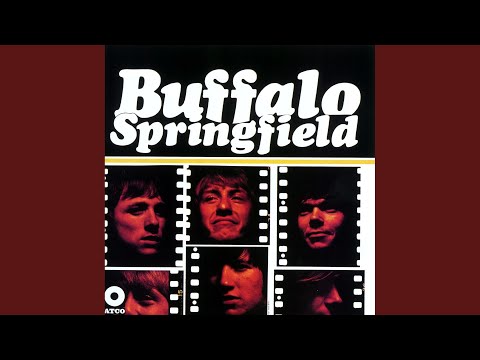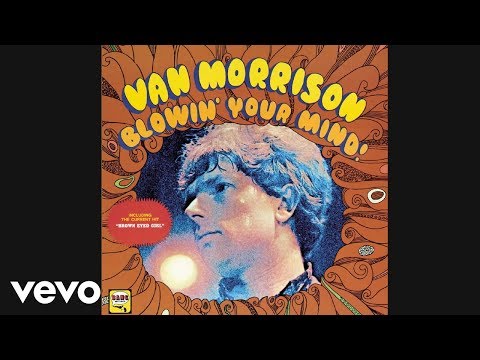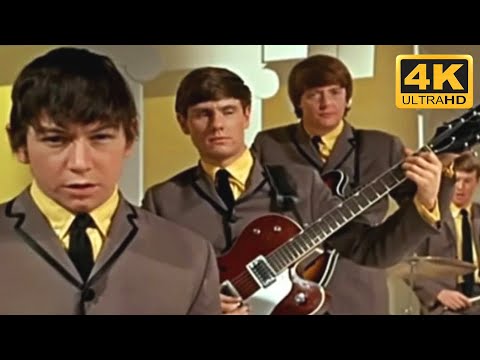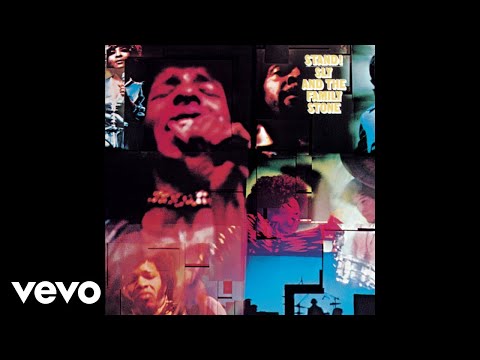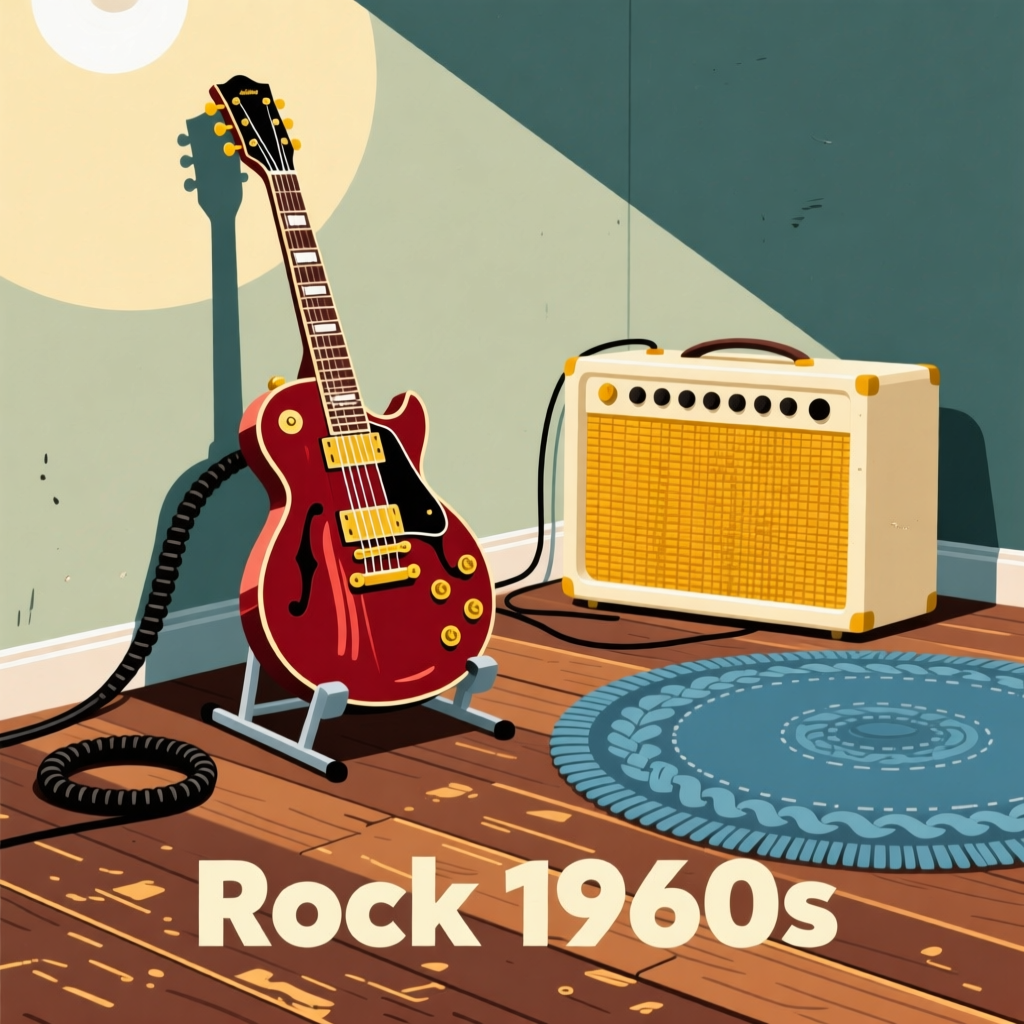
The 1960s was a transformative decade for rock music, characterized by groundbreaking sounds and cultural upheavals. As a genre, rock moved from its rebellious roots into a more diverse and complex form, captivating audiences worldwide. This era saw the emergence of legendary bands whose influence is still heavily felt today.
During the 1960s, rock music became a powerful reflection of the social and political changes occurring around the globe. The civil rights movement, the rise of counterculture, and the Vietnam War provided a backdrop against which artists expressed their dissent and hope. This dynamic environment fueled the creative energies of bands like The Beatles, The Rolling Stones, and The Who, who used their music to comment on and influence society.
Rock in the 1960s evolved significantly, incorporating elements from blues, folk, and psychedelic music. This fusion led to the creation of distinct sub-genres, such as psychedelic rock and progressive rock. The use of innovative recording techniques and electrifying live performances became hallmarks of the period, pushing the boundaries of what rock music could achieve.
The legacy of 1960s rock is profound, as it laid the foundation for future generations of musicians. The decade's music continues to inspire artists and fans alike, with its themes of rebellion, experimentation, and change. Its influence is evident in the continued popularity of classic rock, as well as in the new waves of music that have followed, making the 1960s an unforgettable chapter in the history of rock.