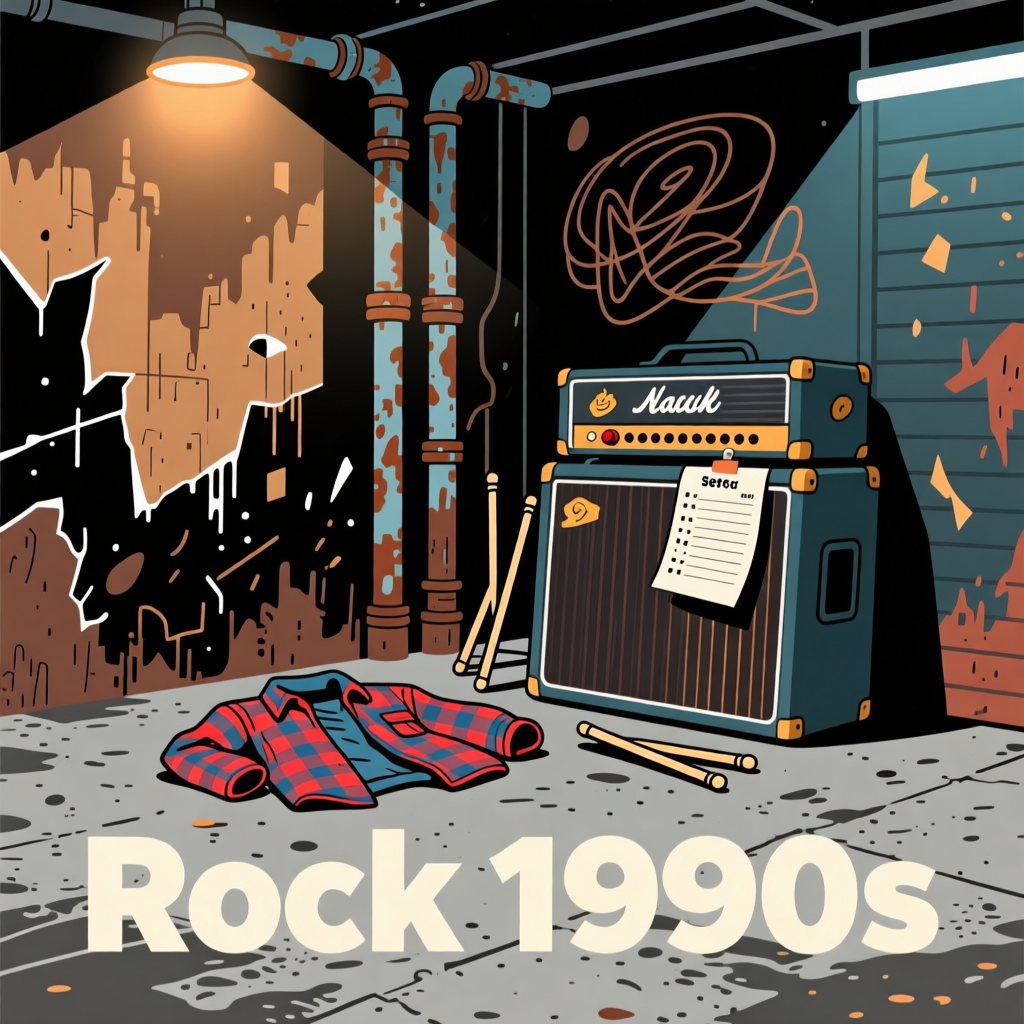
The 1990s was an electrifying period for rock music, characterized by a surge of creativity and innovation. This decade witnessed the rise of genres like grunge and alternative rock, which not only defined the sound of a generation but also challenged the mainstream music industry. With bands like Nirvana, Pearl Jam, and Radiohead leading the charge, the 1990s became a pivotal era in rock history.
Culturally, the 1990s was a time of significant change. The end of the Cold War and the rise of the internet created a new world dynamic, and the music scene reflected this transformation. Rock music became an outlet for expressing the angst and disillusionment felt by many young people. This era's rock sound was raw and authentic, capturing the essence of a generation grappling with rapid societal changes.
Musically, the 1990s rock scene was defined by its diversity and experimentation. Grunge, with its gritty, distorted guitar sounds and introspective lyrics, became the defining genre of the early part of the decade. Meanwhile, alternative rock offered a broader palette, incorporating elements from punk, metal, and even pop. Bands like R.E.M. and Red Hot Chili Peppers pushed boundaries, creating a rich tapestry of sound that appealed to a wide audience.
The legacy of 1990s rock is undeniable. Its influence can be seen in today's music, where artists continue to draw inspiration from the groundbreaking sounds of this era. The 1990s set the stage for a new wave of musicians who value authenticity and creativity, ensuring that the spirit of rock continues to thrive long after the decade ended.