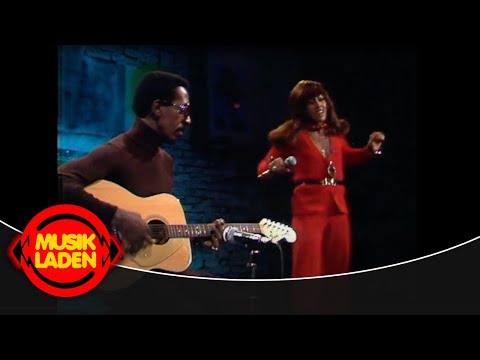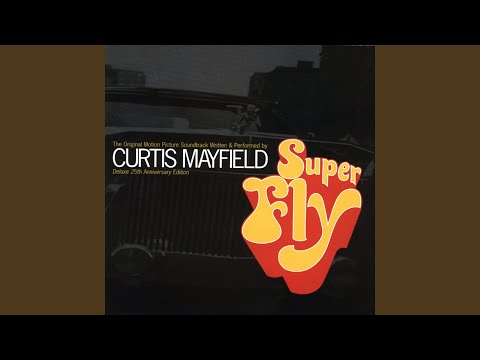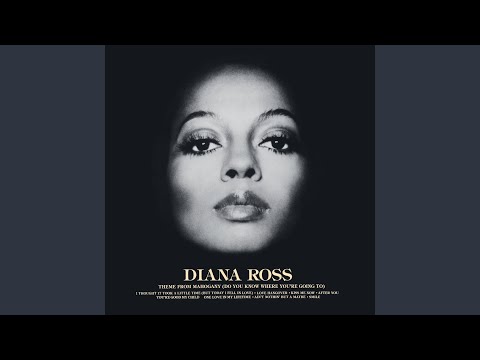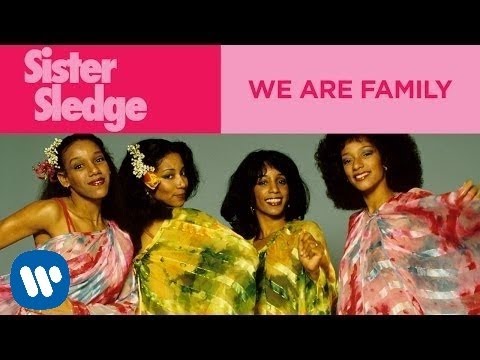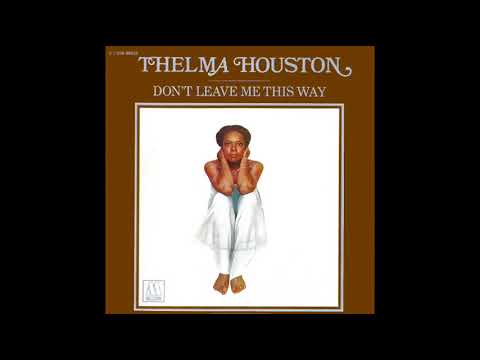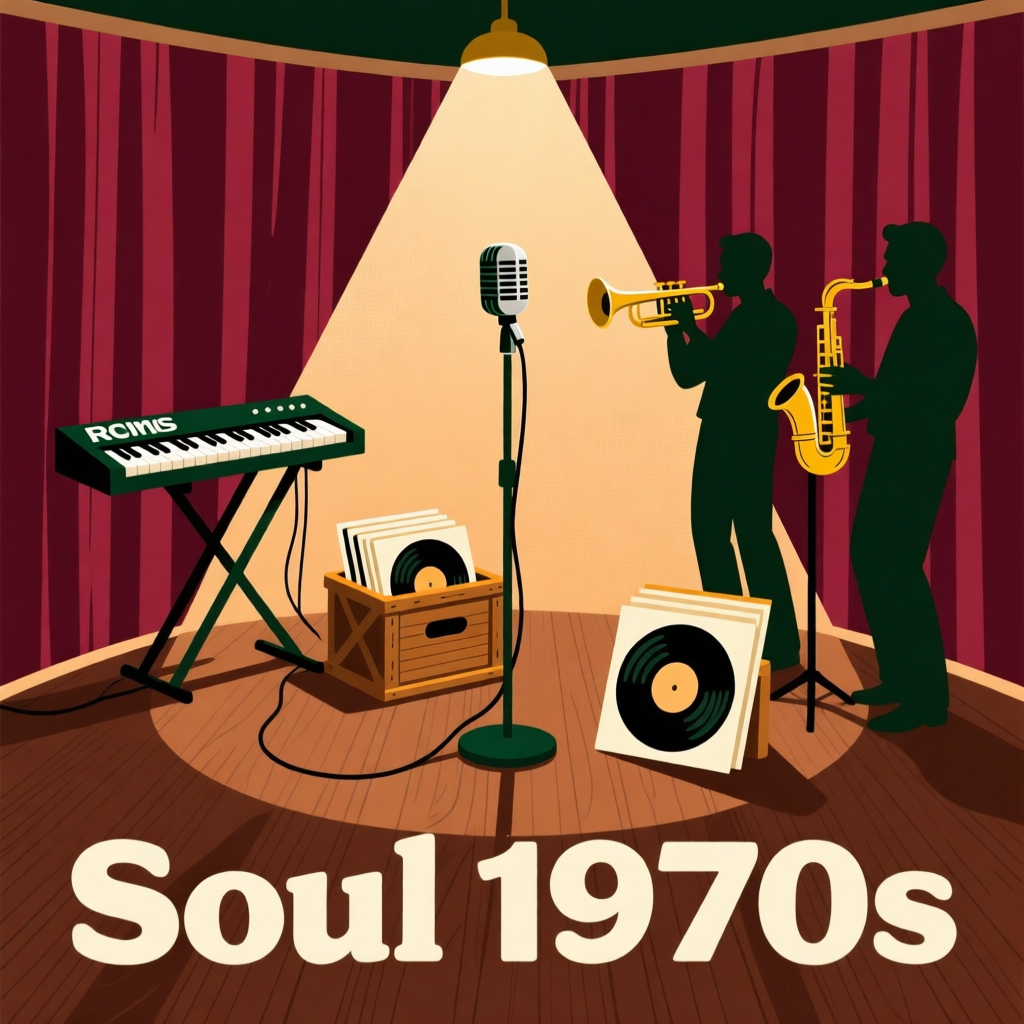
The 1970s was a transformative decade for Soul music, a genre that resonated deeply with the social and cultural shifts of the time. Soul artists in this era pushed musical boundaries, blending elements of funk, jazz, and rhythm and blues to create a new sound that was both innovative and emotionally powerful.
Emerging from the civil rights movements of the 1960s, the 1970s Soul scene was heavily influenced by the ongoing fight for equality and justice. Artists like Marvin Gaye, Stevie Wonder, and Aretha Franklin not only topped charts but also became voices of social change, using their music to address issues such as poverty, war, and racial discrimination.
During the 1970s, Soul music evolved to incorporate more complex arrangements and socially conscious lyrics. The introduction of synthesizers and other electronic instruments added a fresh dimension to the sound, while the rise of disco brought Soul to dance floors across the globe. This era also saw the emergence of sub-genres like Philadelphia Soul and Memphis Soul, each bringing their unique regional flair to the genre.
The legacy of 1970s Soul is evident in its profound influence on contemporary music. Artists across genres, from hip-hop to pop, continue to draw inspiration from the soulful melodies and powerful messages of this golden era. The timeless appeal of 1970s Soul ensures its place as a cornerstone of music history, celebrated for its creativity and emotional depth.