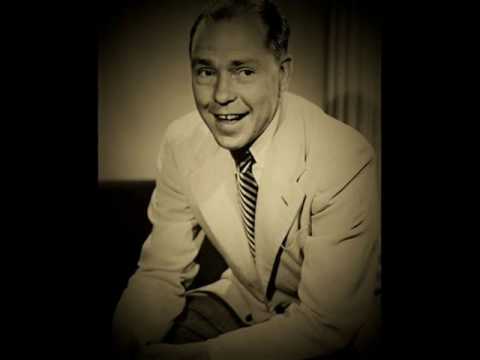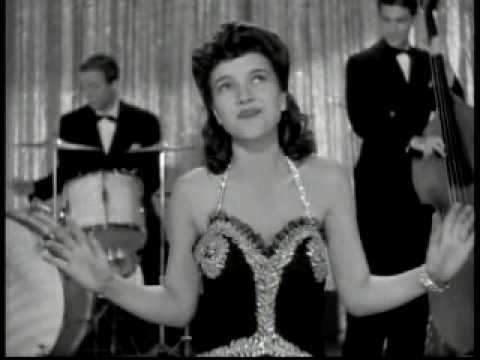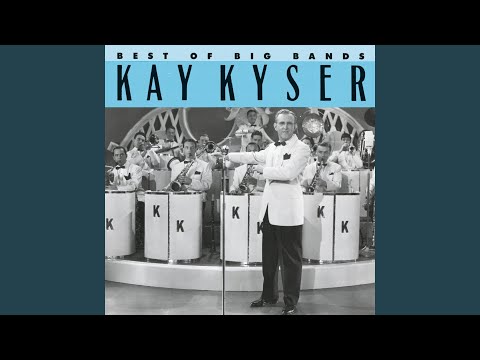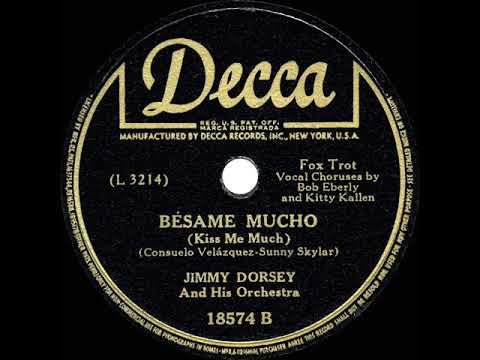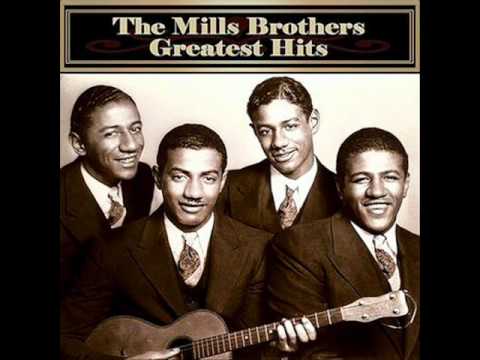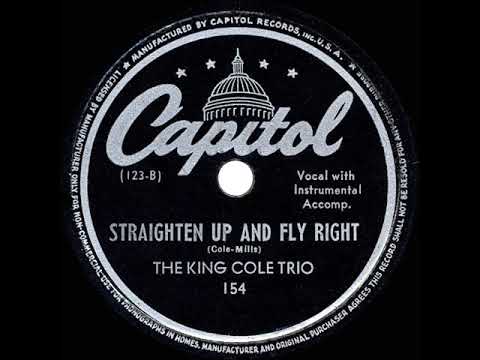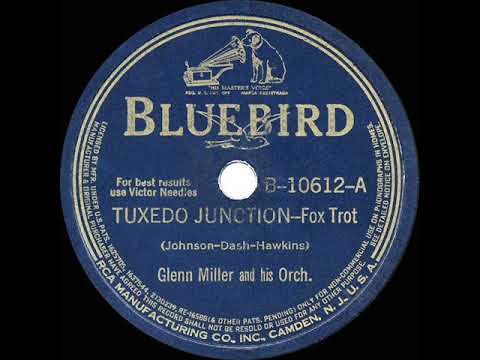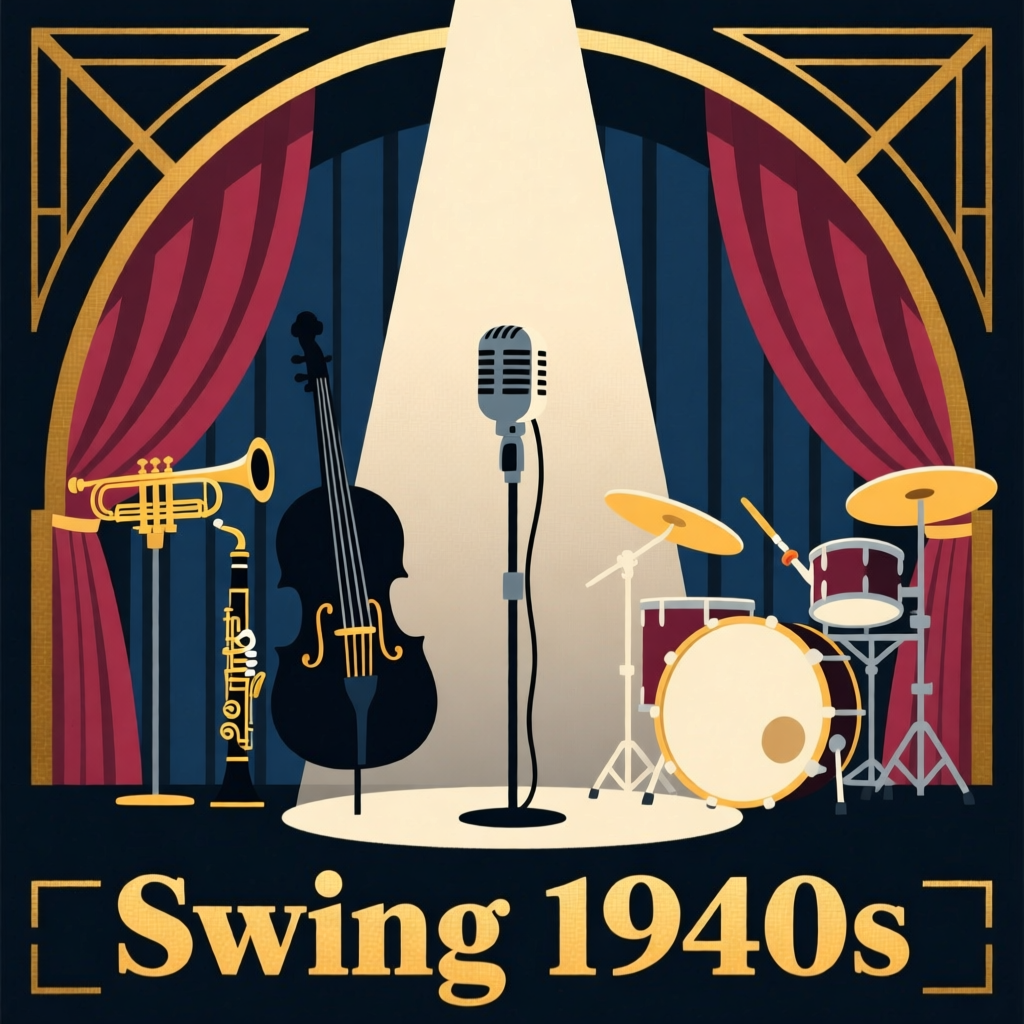
The 1940s was a transformative decade for Swing music, characterized by its energetic beats and captivating melodies. As the world grappled with the challenges of World War II, Swing provided a much-needed sense of joy and escapism. Nightclubs and dance halls across the United States became the epicenters of this lively musical style, offering a vibrant backdrop for social gatherings and celebrations.
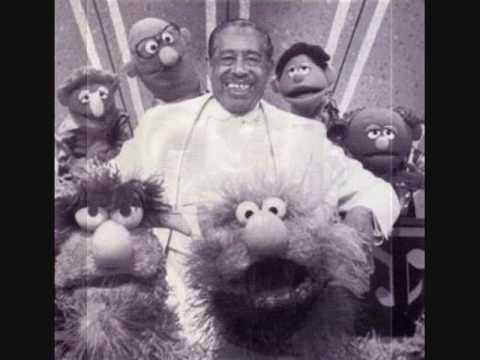
During this era, Swing music was not just a form of entertainment but also a cultural phenomenon. It played a significant role in breaking down racial barriers, as integrated bands began to take the stage, bringing together musicians and audiences from diverse backgrounds. The popularity of Swing grew rapidly, and big band leaders like Duke Ellington and Count Basie became household names, influencing both the music scene and broader American culture.
In the 1940s, Swing music underwent notable transformations. The big band sound continued to dominate, but smaller ensembles started to gain popularity, leading to the development of 'bebop' and other jazz subgenres. This period also saw the rise of vocalists such as Frank Sinatra and Ella Fitzgerald, who brought a unique charm and emotional depth to Swing. The music became more sophisticated, incorporating complex arrangements and improvisations that showcased the virtuosity of its musicians.
The legacy of 1940s Swing is undeniable, leaving an indelible mark on future generations of musicians and music lovers. Its influence can be traced in the evolution of jazz and popular music, setting the stage for the rock 'n' roll explosion of the 1950s. Even today, Swing continues to inspire artists and entertain audiences, serving as a testament to its enduring appeal and cultural significance.