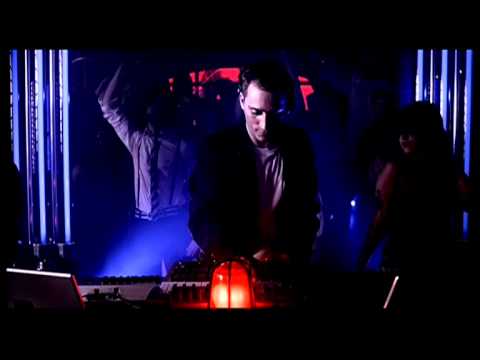
The 2010s marked a transformative period for Trance music, as it evolved from its late 90s roots into a more sophisticated and diverse genre. As electronic music surged in popularity worldwide, Trance held its own, captivating audiences with its euphoric melodies and driving beats. This decade saw a fusion of traditional Trance elements with modern production techniques, creating a sound that was both nostalgic and innovative.
The cultural backdrop of the 2010s was one of rapid technological advancement and global connectivity. Festivals like Tomorrowland and Ultra Music Festival became cultural phenomena, drawing hundreds of thousands of attendees and millions of online viewers. Trance artists embraced these platforms, reaching global audiences and influencing the tastes of a new generation of electronic music fans.
During this era, Trance music experienced notable shifts in its sound. Producers began to explore subgenres like Progressive and Psytrance, infusing tracks with deeper basslines and intricate rhythms. Artists like Armin van Buuren, Above & Beyond, and Paul van Dyk continued to innovate, pushing the boundaries of what Trance could be. The genre's emphasis on emotional, uplifting experiences remained steadfast, even as it incorporated elements of other electronic styles.
The legacy of Trance in the 2010s is one of resilience and adaptation. Its influence is heard in the works of contemporary electronic producers and can be seen in the continued success of Trance-focused festivals and events. As the decade closed, Trance had firmly established itself as a timeless pillar of electronic music, beloved by fans worldwide and inspiring future generations of artists.