Editorial playlist
Heavy Riffs Taking Shape, 1968–1972
Fifteen selections compare fuzz, repeated riffs, slow weight and instrumental interplay, including clearly named period live performances.
Listen here
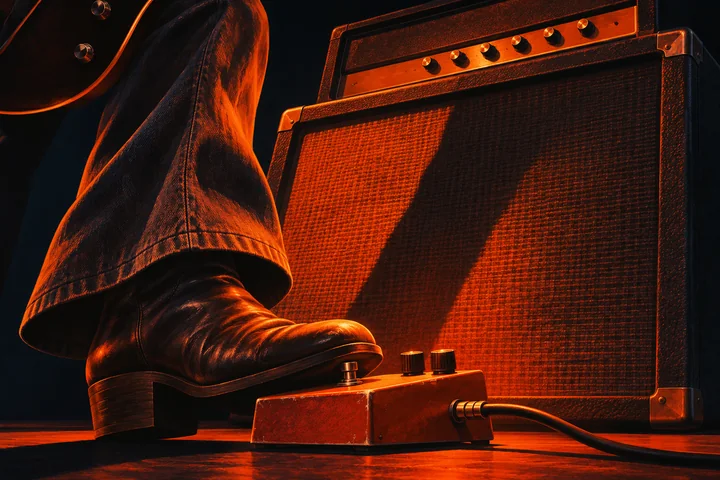
The selected Beat-Club performance is dated 1968. Listen for the grain of the guitar and the pressure of the trio rather than expecting a polished studio surface.
Artists in this selection

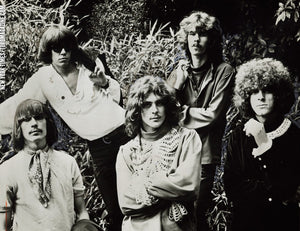

Heavy rock did not emerge from one sound or one decision. Between 1968 and 1972, fuzz, emphatic repeated figures, blues phrasing, organ and tightly coordinated bands offered different ways of giving a song weight. These fifteen selections bring those approaches close enough to compare. The route uses period songs and performances, with live recordings identified where the catalogue supplies them; later video presentation or reissue dates do not turn them into new compositions.
From a riff to a larger band sound
Blue Cheer’s 1968 Beat-Club performance opens with a deliberately rougher sound before Steppenwolf and Cream change the balance of rhythm, voice and guitar. Hendrix’s selected “Voodoo Child” is explicitly the Maui performance from 30 July 1970, later restored for release. It is not labelled as the 1968 Electric Ladyland studio take. Follow how the guitar’s attack and tone shape a repeating idea in a live setting. Experience Hendrix
Led Zeppelin then supplies three different frames: the compact attack of “Communication Breakdown,” the recurring figure of “Whole Lotta Love” and the slower movement of “Dazed and Confused.” The band’s official discography places the debut and second album in 1969. The point is the difference between these arrangements, rather than awarding one record the invention of heaviness. Debut Second album
Slow weight, sharp attack and instrumental room
The Black Sabbath section moves from the spacious title song into changing rhythmic weight, compact directness and a more rolling riff. Geezer Butler’s participant discography dates the first album and UK Paranoid to 1970, followed by Master of Reality in 1971. It also makes the selected song contexts clear. A slow figure and a short fast song can both feel heavy, through different relationships between guitar, bass and drums. Butler’s discography
Deep Purple closes with its 1970 live “Child in Time” and two songs from the 1972 Machine Head era. Rhino dates that original album separately from later remasters and remixes. Organ, guitar and a driving rhythm section widen the final comparison beyond guitar distortion alone. The linked videos vary in presentation, so the sequence claims period song/performance context rather than fifteen identical studio masters. Listen for the instrument that controls a transition: the riff may be memorable, but another part often decides how it lands. Machine Head
Sources & further reading
5 references
- Geezer Butler: Black Sabbath discography
Checked November 19, 2026
- Led Zeppelin: debut album
Checked November 19, 2026
- Led Zeppelin: II
Checked November 19, 2026
- Experience Hendrix: Live in Maui
Checked November 19, 2026
- Rhino: Deep Purple Machine Head
Checked November 19, 2026
Comments (0)
What do you hear? Share a musical detail, a memory or a question. Keep it thoughtful and on topic.
Loading comments…