Music story
How Disco Builds Anticipation: Intros, Hooks and the Groove
Compare how Diana Ross, Gloria Gaynor, Chic and Sister Sledge build excitement through changes of pace, recurring hooks and the voices inside a dance record. Five examples to play as you read.

Listen here
Follow the opening and the change of pace. Compare the tempo shift with the effect of adding more instruments.
Artists in this selection



In this story
Disco builds anticipation by choosing when a pulse, a voice or a familiar hook becomes the centre of attention. A song can begin with the intimacy of a ballad, offer its chorus almost immediately, or make a repeated figure feel newly important by changing the parts around it. Five recordings by Diana Ross, Gloria Gaynor, Chic and Sister Sledge make those choices easier to follow.
Start each example from the beginning. These are artist-channel audio and official music videos; edits can shorten an introduction or instrumental passage. Follow the version playing here. Where a historical analysis concerns the original single, that distinction is identified below.
Love Hangover: a change of pace changes the scene
Diana Ross gives us the clearest starting question: what happens when a song changes the pace of your attention? Motown’s album history identifies Pam Sawyer and Marilyn McLeod as the writers of Love Hangover and Hal Davis as its producer. On his own website, arranger Clay Drayton credits Joe Sample with creating its opening. The introduction belongs to the musical design.
Music researchers David S. Carter and Ralf von Appen describe the historical record’s move from a slower introduction to a faster pulse that continues through the remainder. That is a change of tempo—the speed of the beat. It differs from making the same beat feel fuller by adding instruments.
While this example plays, follow Ross’s voice before attending to the rhythm. Notice the change in pace, then ask what changes about her relationship with the accompaniment. Does the voice seem to float through the opening and sit differently once the dance rhythm takes over? Keep that contrast in mind for the next example.
Diana Ross · 1976
Follow the opening and the change of pace. Compare the tempo shift with the effect of adding more instruments.
Song detailsI Will Survive: let the voice establish the stakes
The opening of Gloria Gaynor’s I Will Survive offers another route into a dance song. In their study of the original seven-inch single, Carter and von Appen describe a freely unfolding piano arpeggio, followed by a vocal introduction with more flexible timing than the steady section that follows. An arpeggio spreads the notes of a chord out instead of sounding them all together. The opening gives the singer room to establish the story.
Gaynor recalled in her Library of Congress interview relating the song to her recovery from a back injury. She also described the record as R&B as well as music for dancing. That personal connection is a useful reason to keep following the delivery after the rhythm settles. Ask how the change in accompaniment affects the force of the voice, even while the same narrative continues.
Gloria Gaynor · 1978
Official music video: follow the opening voice into the dance rhythm, then notice how the delivery carries the story forward.
Song detailsLe Freak: recognition can arrive before the wait
Chic offers a contrasting idea: a recognisable hook can give you something to anticipate each time it returns. Follow the relationship between Le Freak’s vocal hook and its short instrumental figures. Choose the guitar or the bass and try to keep track of it while the singing takes the foreground.
In his Red Bull Music Academy lecture, Nile Rodgers explains how Chic valued moving from chorus to breakdown. A breakdown reduces the arrangement so that a smaller number of parts comes forward; rebuilding makes their relationships audible again. Rodgers illustrates that approach particularly through Dance, Dance, Dance and Good Times. It gives us a useful question for Le Freak: how much can the arrangement change while the groove remains recognisable?
Chic · 1978
Choose the guitar or bass beneath the familiar vocal hook. Follow that part as the singing takes the foreground.
Song detailsI Want Your Love: keep one repeated figure in mind
Stay with Chic, but change the listening task. In Mike Alleyne’s original interview, Rodgers says I Want Your Love came from his attempt to emulate Giorgio Moroder’s precision, before he understood the role of a sequencer in those records. That account makes repetition worth attending to as a creative choice.
Choose one short instrumental pattern and hold it in your memory. When the vocal phrase returns, notice whether the surrounding sound draws attention toward that pattern or away from it. Anticipation can work at this smaller scale: you learn a relationship between parts and begin to expect its next appearance. Compare that experience with Love Hangover’s larger change of pace.
Chic · 1978
Keep one repeating instrumental figure in memory as the vocal phrase returns. Compare this smaller expectation with Love Hangover’s larger change of pace.
Song detailsWe Are Family: the voices are part of the arrangement
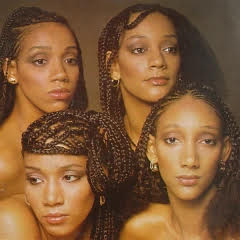
Sister Sledge adds another kind of expectation: the exchange between an individual voice and a group. In their Library of Congress interview, the sisters recall being frustrated that they could not hear We Are Family before the session; they normally liked to arrive fully rehearsed. They describe producers seeking spontaneous excitement while also giving specific instructions for the vocal arrangement.
Follow a lead phrase, then listen for the surrounding voices. On the next return, try following the group instead. The pleasure of a familiar passage can come from knowing how these voices fit together. Put that communal effect beside the opening of I Will Survive, where your attention first rests on one singer’s account.
Sister Sledge · 1979
Listen once to the lead and once to the surrounding voices. Compare their exchange with the solo opening of I Will Survive.
Song detailsTry three questions on the next record
- Pace: does the speed of the beat change, or does the arrangement simply become fuller?
- Texture: which part stays present while others move forward or recede?
- Return: what have you learned to expect—a voice, a recurring figure, or a familiar chorus?
Use those questions in Basslines After Dark, our twelve-record journey through 1970s funk and disco. The broader selection lets you carry this listening approach into different songs. You can also explore the disco catalogue and the wider 1970s, following the arrangement rather than assuming every dance record builds excitement in the same way.
Sources & further reading
7 references
- Diana Ross: Diana Ross — Classic Motown
Checked November 17, 2026
- Clay Drayton — Joe Sample remembrance
Checked November 17, 2026
- Tempo Variability in Billboard Hot 100 Songs, 1966–1995: Patterns, Click Tracks, and Historical Change
Checked November 17, 2026
- Gloria Gaynor interview — Library of Congress
Checked November 17, 2026
- Nile Rodgers — Red Bull Music Academy lecture
Checked November 17, 2026
- Interview with Nile Rodgers — Mike Alleyne
Checked November 17, 2026
- Sister Sledge interview — Library of Congress
Checked November 17, 2026
Comments (0)
What do you hear? Share a musical detail, a memory or a question. Keep it thoughtful and on topic.
Loading comments…