Music story
Jazz Loops in 90s Hip-Hop: How Samples Shape the Groove
A listening guide to twelve recordings from 1990–1995: follow the bass, recurring phrases, drums and voices to hear what producers made from borrowed sounds.
Published November 16, 2026
Listen here
Start with the bass phrase, then follow the call and response. The changing voices make a repeating backing feel conversational.
Artists in this selection
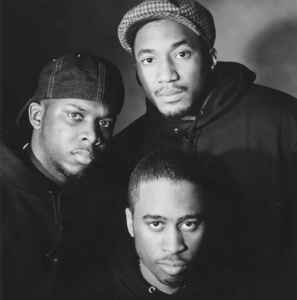
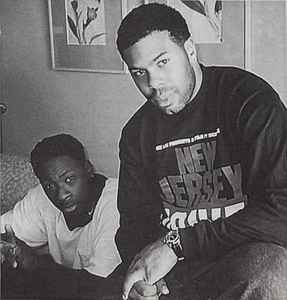

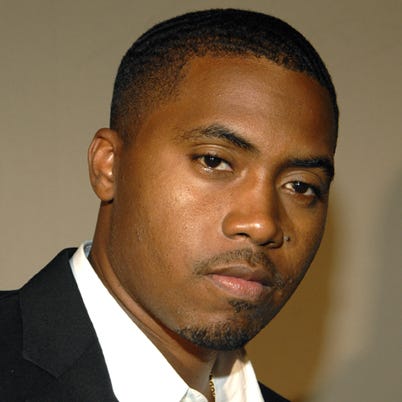
In this story
A short piece of an older record can do several jobs in hip-hop: supply a bassline, become a hook, or leave a pocket for a rapper to move through. The useful question is what the producer makes that piece do. These twelve recordings from 1990–1995 offer a way to hear the difference, moving between A Tribe Called Quest, Pete Rock & C.L. Smooth, The Pharcyde, Nas and Common.
Jazz is one thread here, alongside funk, soul and rock. A jazz source does not automatically make every track the same kind of rap. Nor are jazz rap and boom bap interchangeable labels: one points toward musical sources and character, while the other foregrounds the kick-and-snare rhythm. PBS’s Sound Field explores that exchange between jazz and hip-hop.
Start with the bass, then hear the construction
Can I Kick It? is a useful opening precisely because its ingredients cross those boundaries. The bass comes from Lou Reed’s Walk on the Wild Side; the construction also uses drum-and-organ material from Dr. Lonnie Smith’s Spinning Wheel. Engineer Bob Power’s account describes a record assembled from different sources, with filtering and careful placement helping the pieces work together. Read Power’s studio recollections.
Try following the bass through two changes of voice. The recorded phrase can keep returning while the delivery supplies a different sense of forward motion. That distinction is the starting point for the whole selection: repetition in the backing does not require repetition in the performance.
A Tribe Called Quest · 1990
Start with the bass phrase, then follow the call and response. The changing voices make a repeating backing feel conversational.
Song detailsTribe leave room for the conversation
The next pair, Buggin’ Out and Check the Rhime, comes from A Tribe Called Quest’s 1991 album The Low End Theory. A.D. Amorosi’s National Recording Registry essay describes its spare frameworks and the interplay between Q-Tip and Phife Dawg, and names several jazz sources within Buggin’ Out. Read the album essay. Listen to the backing and the vocal exchange as separate layers. When one rapper hands a line to the other, ask whether the instrumental actually changes or whether the voices create the turn. Space can be part of an arrangement without meaning that little work went into it.
A horn phrase can carry the memory
On T.R.O.Y., the recurring saxophone is central to the story of the recording. Pete Rock told Bullseye that, while grieving for Troy Dixon, he found Tom Scott’s Today and was moved by its saxophone. He turned that response into the foundation of the song with C.L. Smooth. Hear Pete Rock tell the story. The record belongs to the duo’s 1992 album Mecca and the Soul Brother. Rhino gives the album context.
Follow a return of the horn phrase rather than waiting only for the next verse. A small borrowed passage can become a point of recognition: the music gives the words something to come back to. Compare that role with the bass-led introduction to the playlist.
Pete Rock & C.L. Smooth · 1992
Treat the recurring horn phrase as a second narrator. Compare its returns with the placement of C.L. Smooth’s lines.
Song detailsThe Pharcyde build around individual voices
Passin’ Me By shifts the focus to several people telling their own stories. In SPIN’s oral history, producer J-Swift recalls finding Quincy Jones’s Summer in the City, then combining it with a second loop at Bootie Brown’s suggestion. The members describe the personal crushes behind their verses. Read the original group and producer interviews. The point is more specific than a general mellow atmosphere: the repeating music connects different perspectives without making the narrators interchangeable.
Otha Fish follows as another way into The Pharcyde’s vocal phrasing. Both songs appear on Bizarre Ride II the Pharcyde, which the label dates to 1992. See Craft’s original-album tracklist. First attend to the recurring accompaniment; then follow where the performer stretches or closes a phrase. You do not need to identify every source record to notice how those layers relate.
Recognition is only the beginning of a loop
Award Tour and Electric Relaxation return to Tribe through their 1993 album Midnight Marauders. The official discography places both on the album. Weldon Irvine recalled Q-Tip approaching him about using material from Spirit Man for Award Tour. Read Irvine’s firsthand account. Blue Note identifies Ronnie Foster’s Mystic Brew as a source for Electric Relaxation. See Foster’s label biography. These connections give you records to explore beyond the rap songs, but naming the source is the beginning of the listening exercise.
A phrase taken out of a longer performance acquires a new beginning and end. Let it repeat, then notice where a vocal enters. Does the entrance make the phrase feel newly accented? Compare the effect with Check the Rhime.
The same approach can support different stories
DJ Premier’s account of N.Y. State of Mind makes the construction especially clear. He already had drums and a chiming sound running while searching for a groove. When the piano arrived on a Joe Chambers record, Nas responded and began writing. Read Premier’s account of the Illmatic session. Follow that relationship between piano, percussion and voice without assuming that a jazz source must produce a relaxed result.
On Common’s I Used to Love H.E.R., No I.D. described liking the melodies in George Benson’s The Changing World while wanting a harder bassline underneath them. Common explained his idea of telling hip-hop’s story through a relationship with a woman. Read their account of making the song. It appears on the 1994 album Resurrection. Common discusses that period with Apple Music. Compare the melody’s role with the weight of the bass: a producer can retain a source’s appeal while changing the force around it.
Finish by following the drums
Drop and Runnin’ close the selection with The Pharcyde’s 1995 album Labcabincalifornia. Concord records the original release and singles. In a firsthand account hosted by Stones Throw, Slim Kid Tre recalls Q-Tip introducing the group to Jay Dee’s beats, including those two songs. He also remembers disagreement within the group about altering the original drum programming of Runnin’. Read Tre’s account. That makes rhythm an especially useful focus for the last track.
Follow the kick drum against the repeating musical phrase, then switch your attention to the voice. The exercise is not to grade how closely every hit sits on a grid. It is to hear how different layers share the pulse. On a return through the selection, choose one layer each time: bass, melodic phrase, drums, then delivery. The same twelve records can reveal different relationships without becoming a test of specialist vocabulary.
The Pharcyde · 1995
End by following the kick drum against the repeating musical phrase. Ask what changes when you stop treating every accent as equally strong.
Song detailsThe companion playlist keeps this sequence intact. Continue through our hip-hop catalogue, explore the 1990s, or follow an artist when one particular approach catches your attention. This is a listening route through a small part of the period, rather than a ranking or a complete history of jazz sampling.
Sources & further reading
15 references
- Classic Tracks: A Tribe Called Quest’s Can I Kick It? — Bob Power interview
Checked November 16, 2026
- The Low End Theory — National Recording Registry essay by A.D. Amorosi
Checked November 16, 2026
- Ronnie Foster — Blue Note Records
Checked November 16, 2026
- An Oral History of The Pharcyde’s Passin’ Me By
Checked November 16, 2026
- Bullseye with Jesse Thorn — Common and Pete Rock, transcript
Checked November 16, 2026
- The Making of Common’s Resurrection — Common and No I.D. interviews
Checked November 16, 2026
- The story behind some of J Dilla’s greatest productions — firsthand interviews
Checked November 16, 2026
- Labcabincalifornia — Concord label media kit
Checked November 16, 2026
- Bizarre Ride II The Pharcyde — Craft Recordings official album
Checked November 16, 2026
- 50 Years Of Hip-Hop: DJ Premier on his classic beats — Music Week interview
Checked November 16, 2026
- Weldon’s Way — Oliver Wang’s 2000 interview with Weldon Irvine
Checked November 16, 2026
- 1993 — Midnight Marauders — A Tribe Called Quest official discography
Checked November 16, 2026
- Sound Field: Jazz Shaped Hip-Hop, but How Did Hip-Hop Change Jazz?
Checked November 16, 2026
- Resurrection — Apple Music album page and Common interview
Checked November 16, 2026
- Mecca and the Soul Brother — Rhino anniversary article
Checked November 16, 2026