
All or Nothing at All
First released in 1939
Introduction
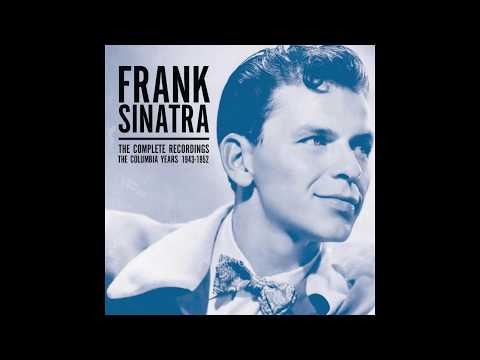
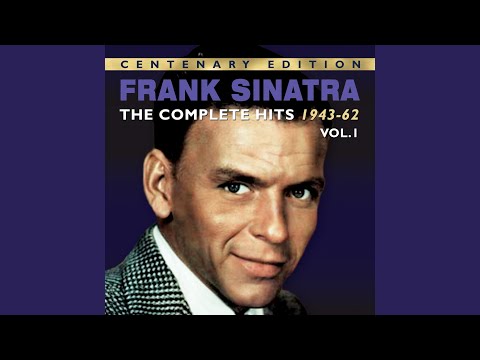
"All or Nothing at All" by Frank Sinatra is a quintessential track from the 1940s that captures the essence of the big band swing era. Released during a time when dance halls and radio orchestras dominated the American music scene, this song remains a standout example of Sinatra's early vocal prowess and the lush arrangements that characterized the era.
Cultural Context
In the 1940s, the world was engulfed in World War II, and music served as both an escape and a morale booster. This track, recorded with the Harry James Orchestra, became a wartime standard, resonating with listeners who found solace in its emotive lyrics and Sinatra's smooth delivery. The song's initial release on a shellac 78rpm record reflects the pre-LP formats that were prevalent at the time.
Production & Sound
The arrangement of "All or Nothing at All" is a masterclass in big band orchestration. The lush brass and woodwind sections, combined with a steady rhythm section, create a rich tapestry of sound that perfectly complements Sinatra's voice. The track's tempo and swing feel are emblematic of the big band genre, making it a danceable yet introspective piece.
Notable Versions
A notable cover of "All or Nothing at All" was performed by jazz legend John Coltrane, who brought a new dimension to the track with his innovative saxophone interpretation. This version highlights the song's versatility and enduring appeal across different musical styles.
Modern Legacy
Today, "All or Nothing at All" is celebrated not only as a classic example of 1940s big band swing but also as a testament to Frank Sinatra's lasting impact on music. Its continued relevance is evident in its frequent inclusion in jazz and swing repertoires, as well as its influence on subsequent generations of musicians.







Comments (0)