Introduction
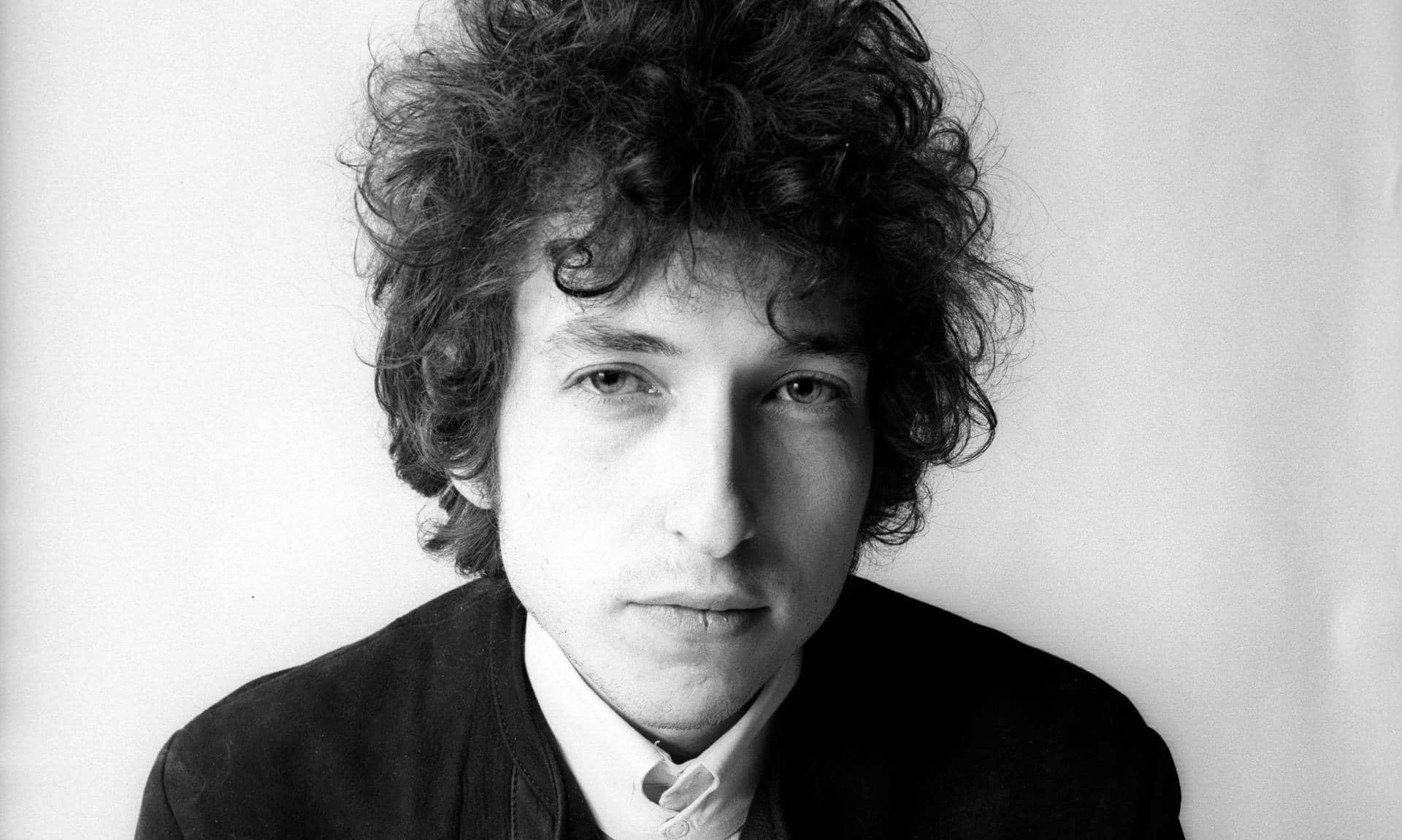
"Like a Rolling Stone" by Bob Dylan, released in 1965, stands as a monumental track in the history of rock music. Emerging during the vibrant 1960s, a period marked by the British Invasion and the rise of folk-rock, this song redefined what a single could achieve in both length and lyrical depth.
Cultural Context
The 1960s were a transformative era in music, with genres like psychedelia and folk-rock gaining prominence. Dylan's "Like a Rolling Stone" captured the spirit of protest culture and the shift from mono to stereo sound, reflecting the decade's innovative energy.
Production & Sound
This track is notable for its groundbreaking production, featuring a distinctive organ riff played by Al Kooper, which became a defining element of the song's sound. The fusion of electric guitar, harmonica, and Dylan's raw vocal delivery created a powerful and enduring musical statement.
Notable Versions
One of the most memorable live performances of "Like a Rolling Stone" occurred at the 1965 Newport Folk Festival, where Dylan famously 'went electric,' shocking the folk community and cementing his status as a trailblazer.
Modern Legacy
Decades later, "Like a Rolling Stone" remains relevant for its lyrical complexity and emotional impact. It continues to inspire artists across genres and is frequently cited as one of the greatest songs of all time, illustrating the timeless nature of Dylan's artistry.



Comments (0)