Introduction
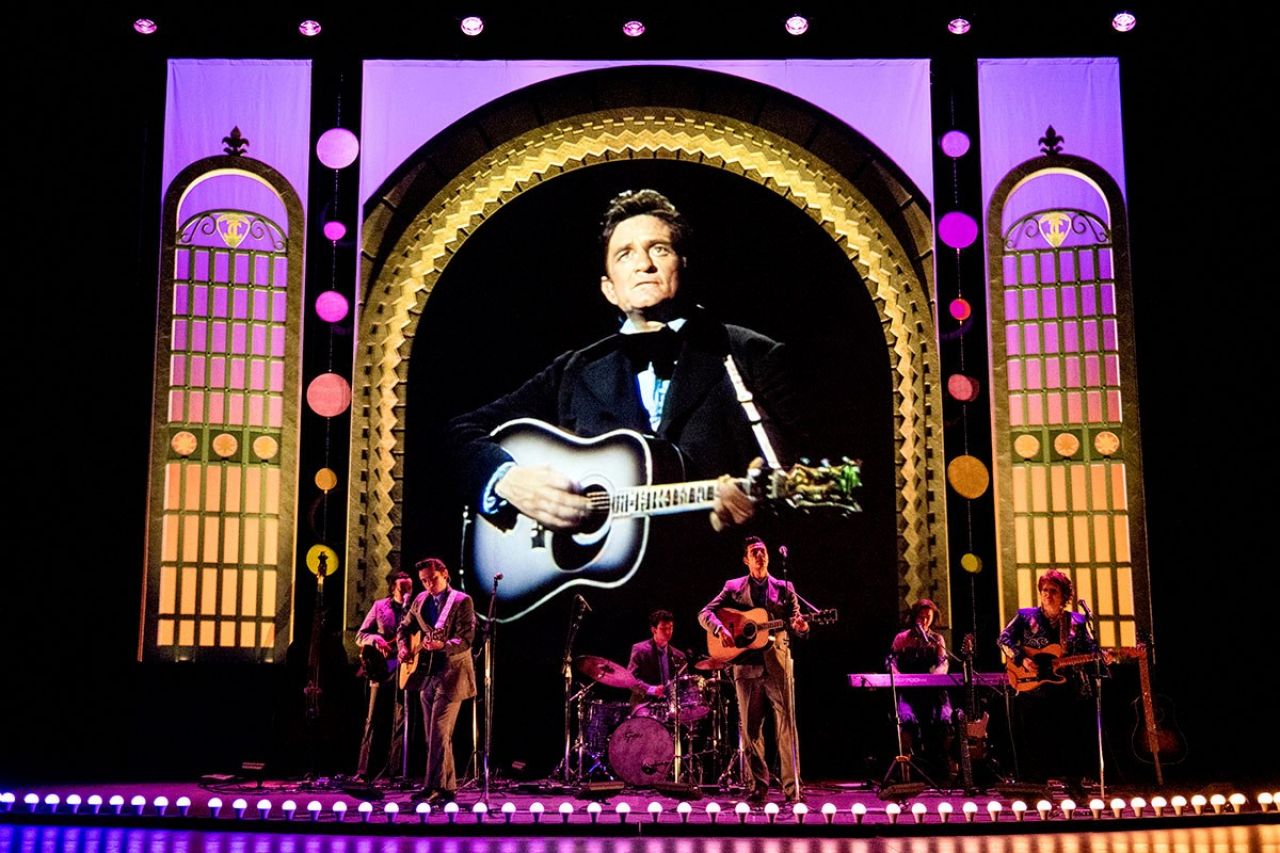
"Walk the Line" by Johnny Cash, released in 1956, is a defining track of the country genre. This iconic song showcases Cash's deep, resonant voice and his distinctive "boom-chicka-boom" rhythm, which became a signature of his sound. As a staple of the 1960s music scene, the track stands out amidst the British Invasion and the rise of other genres like psychedelia and Motown.
Cultural Impact
The song's release during the 1960s, a period marked by significant cultural and musical shifts, helped solidify Johnny Cash's status as a major influence in the music industry. While the world was captivated by the Beatles and the Rolling Stones, Cash's "Walk the Line" offered a raw, authentic alternative, deeply rooted in American country music traditions. Its enduring appeal lies in its simplicity and emotional depth, resonating with listeners across generations.
Production & Sound
"Walk the Line" is notable for its minimalist production, which highlights Cash's vocal delivery and the steady, percussive guitar line. The song's arrangement reflects the mono-to-stereo transition era, emphasizing clarity and directness. This straightforward production style allows the song's lyrical themes of love and fidelity to take center stage, creating an intimate listening experience.
Notable Versions
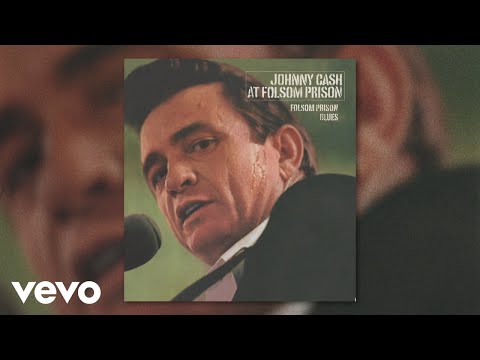
A memorable live performance of "Walk the Line" took place at Folsom Prison in 1968, where Cash's connection with the audience added a layer of authenticity to the track. This performance was part of the critically acclaimed live album "At Folsom Prison," which further cemented Cash's legacy as a compelling live performer.
Modern Legacy
Today, "Walk the Line" remains a timeless classic, frequently covered by artists across various genres. Its influence can be heard in the works of contemporary country and rock musicians, ensuring its place in the annals of music history. The song's enduring popularity is a testament to Johnny Cash's profound impact on the music world.


Comments (0)