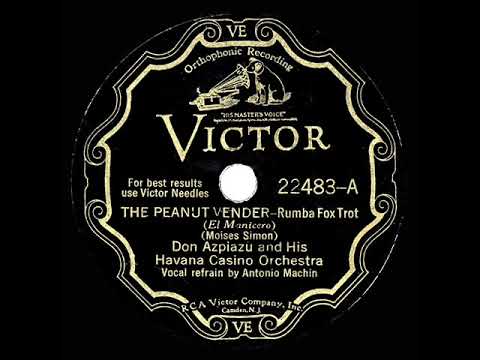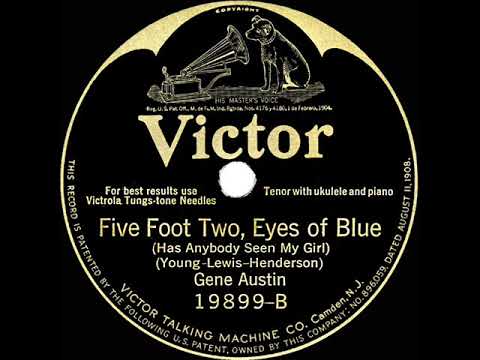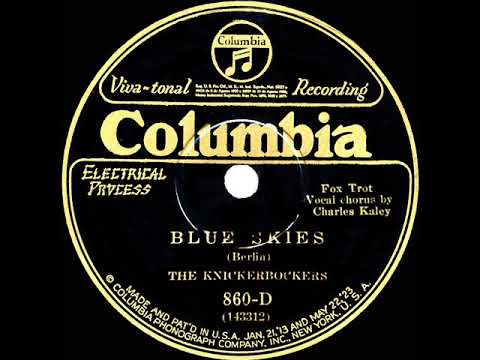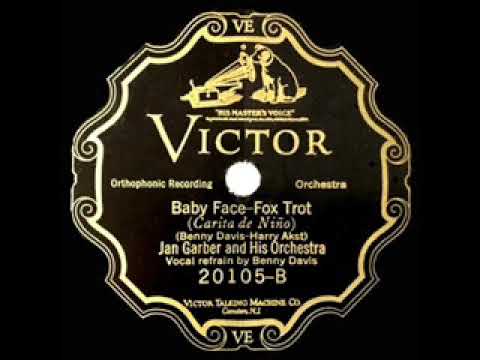
The 1920s were a groundbreaking decade for jazz music, a time when its lively rhythms and innovative sounds captivated audiences across the United States and beyond. Known as the 'Jazz Age,' this period saw jazz emerge from its roots in New Orleans to become a dominant force in American culture, echoing the social changes of the era.
The 1920s were marked by significant cultural shifts, including the aftermath of World War I, the rise of modernism, and the flourishing of the Harlem Renaissance. Jazz music thrived in this dynamic environment, drawing on African American musical traditions and blending them with elements of blues, ragtime, and European music to create a uniquely American sound. Jazz clubs and speakeasies became cultural hubs where people from all walks of life gathered to experience this vibrant music.
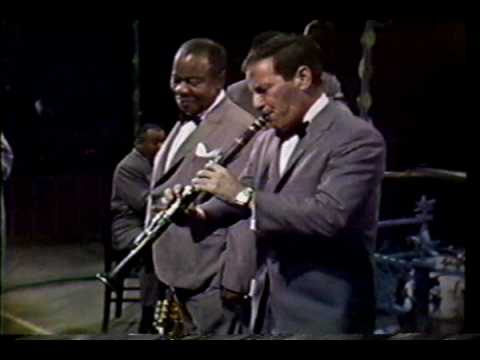
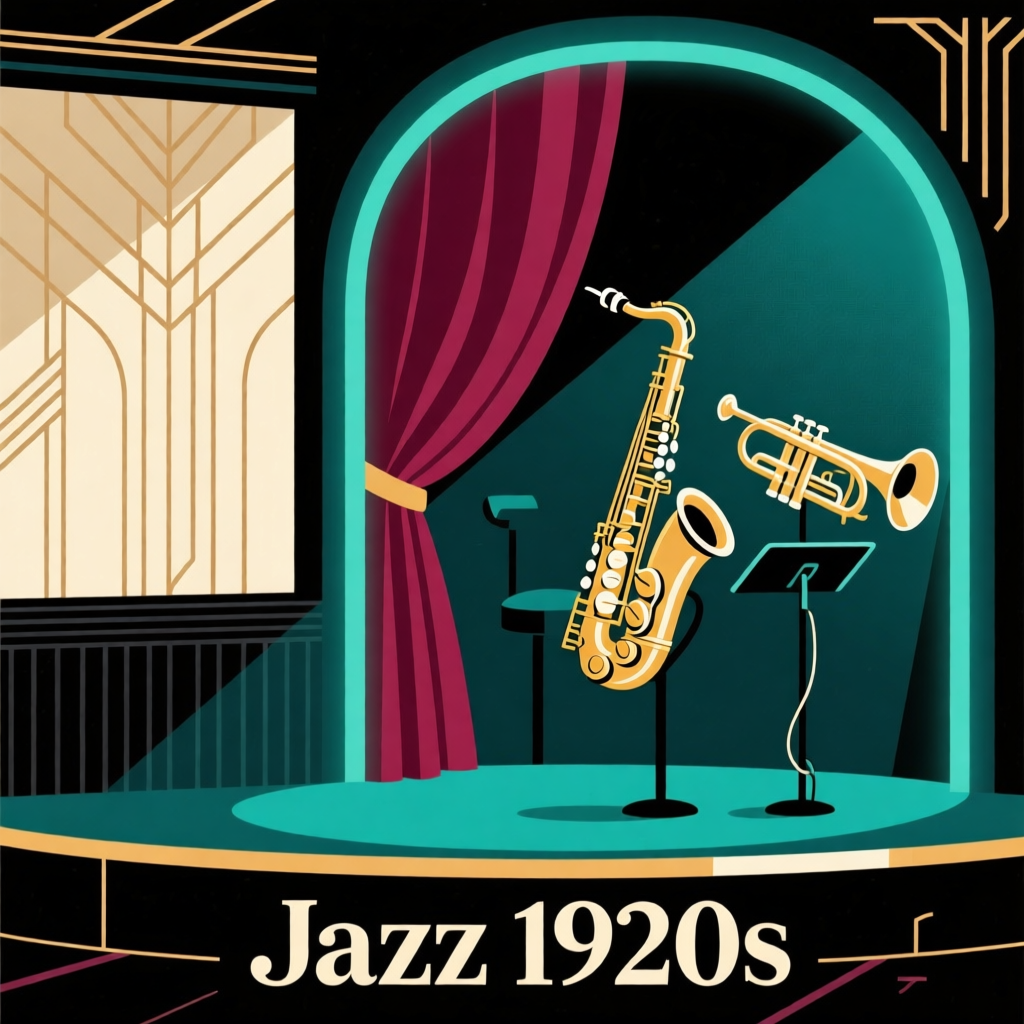
During this decade, jazz evolved significantly, characterized by its improvisational nature and the emergence of new styles like swing and big band. Legendary musicians such as Louis Armstrong, Duke Ellington, and Bessie Smith brought fresh energy and creativity to jazz, each contributing to its ever-expanding repertoire and popularity. The use of instruments such as the trumpet, saxophone, and clarinet became defining features of the genre.
The legacy of 1920s jazz extends far beyond its own time, influencing countless musical genres and artists in the decades to follow. Its spirit of innovation and fusion laid the groundwork for future musical developments, while its role in breaking down racial barriers set a precedent for the cultural integration of music. Today, jazz from the 1920s continues to inspire musicians and captivate listeners, maintaining its place as a timeless and crucial part of music history.
Jazz in the 1920s — The Sound of a Decade
The 1920s were a groundbreaking decade for jazz music, a time when its lively rhythms and innovative sounds captivated audiences across the United States and beyond. Known as the 'Jazz Age,' this period saw jazz emerge from its roots in New Orleans to become a dominant force in American culture, echoing the social changes of the era.
The 1920s were marked by significant cultural shifts, including the aftermath of World War I, the rise of modernism, and the flourishing of the Harlem Renaissance. Jazz music thrived in this dynamic environment, drawing on African American musical traditions and blending them with elements of blues, ragtime, and European music to create a uniquely American sound. Jazz clubs and speakeasies became cultural hubs where people from all walks of life gathered to experience this vibrant music.
During this decade, jazz evolved significantly, characterized by its improvisational nature and the emergence of new styles like swing and big band. Legendary musicians such as Louis Armstrong, Duke Ellington, and Bessie Smith brought fresh energy and creativity to jazz, each contributing to its ever-expanding repertoire and popularity. The use of instruments such as the trumpet, saxophone, and clarinet became defining features of the genre.
The legacy of 1920s jazz extends far beyond its own time, influencing countless musical genres and artists in the decades to follow. Its spirit of innovation and fusion laid the groundwork for future musical developments, while its role in breaking down racial barriers set a precedent for the cultural integration of music. Today, jazz from the 1920s continues to inspire musicians and captivate listeners, maintaining its place as a timeless and crucial part of music history.