Pop in the 1930s — A Decade of Musical Transformation
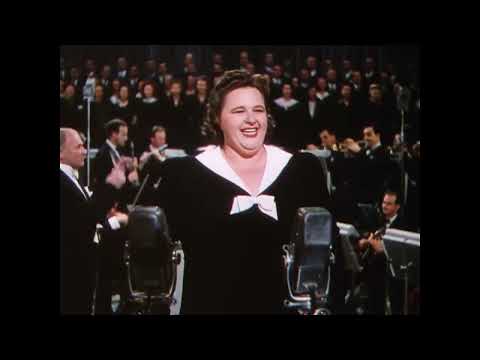
The 1930s was a transformative time for pop music, as it began to carve out its own identity amidst the backdrop of the Great Depression. Despite economic hardships, the music industry thrived, with pop music offering an escape and a sense of hope to many. This era saw the rise of crooners and big bands, which dominated the airwaves and dance halls, providing a soundtrack to both everyday life and special occasions.
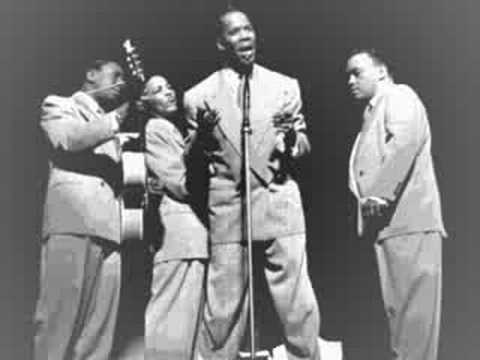
During this decade, pop music was heavily influenced by jazz and swing, which were prevalent in the cultural zeitgeist. Radio became a crucial medium for disseminating pop music to the masses, allowing artists like Bing Crosby and The Andrews Sisters to gain widespread popularity. The blend of smooth vocals and upbeat rhythms provided a perfect counterbalance to the era's challenges, making pop an integral part of American culture.
One of the notable characteristics of 1930s pop was its emphasis on melody and vocal performance. The use of orchestras and the rise of the microphone allowed for more intimate and nuanced recordings, which highlighted the emotional expressiveness of singers. This period also saw the integration of diverse musical elements, including influences from blues and folk, which enriched the pop soundscape.
The legacy of 1930s pop is profound, as it laid the foundation for future music genres and trends. The era's pioneering recording techniques and star-making potential of radio broadcasts paved the way for the modern music industry. The timeless appeal of 1930s pop continues to resonate today, influencing contemporary artists and genres, proving that its vibrant beats and heartfelt lyrics are truly enduring.