
Come Rain or Come Shine
Introduction
"Come Rain or Come Shine" by Judy Garland is a timeless classic from the 1940s, showcasing the era's rich musical landscape. This track, originally part of the musical "St. Louis Woman," highlights Garland's powerful vocal delivery and emotional depth, making it a standout piece in her illustrious career.
Cultural Context
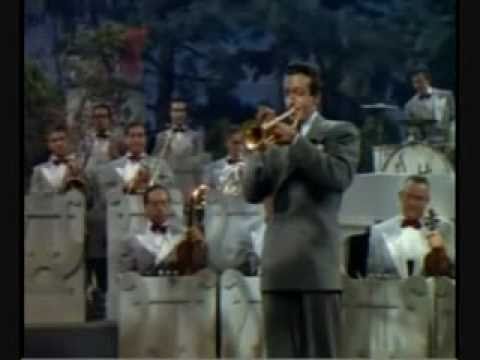
Released during the 1940s, a decade marked by big band swing and jazz vocals, this song captures the essence of the wartime standards that dominated the music scene. The shellac 78rpm era was in full swing, with dance halls and radio orchestras providing the backdrop for such memorable tunes. Garland's rendition of "Come Rain or Come Shine" fits seamlessly into this context, offering a blend of heartfelt emotion and technical prowess.
Production & Sound
The track's arrangement is a testament to the lush orchestration typical of the period, featuring sweeping strings and a steady rhythm section that perfectly complements Garland's expressive voice. The production emphasizes clarity and warmth, allowing the nuances of her performance to shine through. This meticulous attention to detail has contributed to the song's enduring appeal.
Notable Versions
One of the most notable covers of this song is by Ray Charles, who infused it with his unique blend of soul and jazz, further cementing its status as a versatile standard. His interpretation brought a new dimension to the track, showcasing its adaptability across different musical styles.
Modern Legacy
"Come Rain or Come Shine" remains relevant today due to its universal themes of love and resilience. Judy Garland's version continues to resonate with audiences, serving as a reminder of the emotional power of music. Its enduring popularity in both live performances and recordings underscores its significance in the American songbook.










Comments (0)