
Get Happy
First released in 1951
Introduction
"Get Happy" by Judy Garland is a timeless classic that captures the vibrant spirit of the 1950s. Released during an era marked by the birth of rock & roll and the rise of doo-wop harmonies, this track showcases Garland's exceptional vocal prowess and charismatic stage presence. The song remains a staple in the American songbook, celebrated for its upbeat tempo and joyful message.
Cultural Context
In the 1950s, music was undergoing a significant transformation with the emergence of new genres and styles. "Get Happy" stands out as a beacon of the era, embodying the optimism and energy of post-war America. The track was recorded live-to-tape, a common practice before the advent of sophisticated studio techniques, giving it an authentic and raw sound that resonates with audiences even today.
Production & Sound
The arrangement of "Get Happy" is a masterclass in orchestration, featuring a lively brass section that complements Garland's dynamic vocal delivery. The song's brisk tempo and swing-inspired rhythm reflect the popular musical trends of the time, making it a perfect fit for jukeboxes and radio playlists across the nation.
Notable Performances
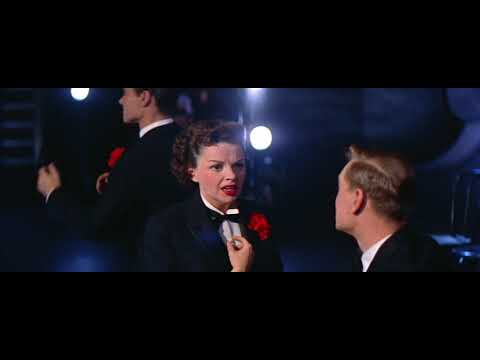
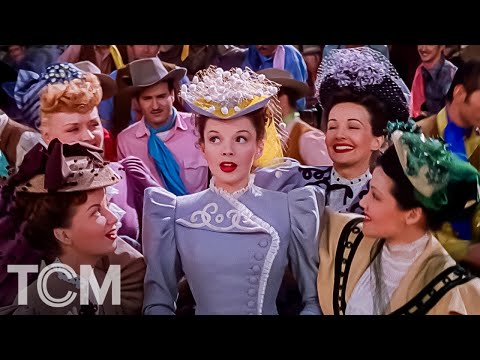
One of the most memorable renditions of "Get Happy" was performed by Judy Garland in the 1950 film "Summer Stock." This performance is iconic, showcasing Garland's ability to captivate audiences with her magnetic stage presence and emotional depth. The scene has since become a defining moment in her illustrious career, contributing to the song's enduring legacy.
Modern Legacy
Decades after its release, "Get Happy" continues to inspire artists and listeners alike. Its message of joy and resilience remains relevant, resonating with new generations who discover Garland's work. The track's influence can be seen in various covers and performances, highlighting its timeless appeal and the lasting impact of Judy Garland's artistry.








Comments (0)