
Poinciana
First released in 1943
Introduction to "Poinciana" by Benny Carter
The track "Poinciana" by Benny Carter, recorded in the 1940s, is a quintessential example of the big band swing era. Known for its lush orchestration and smooth jazz vocals, this song captures the essence of the wartime music scene, where bandleaders like Carter dominated dance halls and radio broadcasts with their captivating performances.
1940s Cultural Context
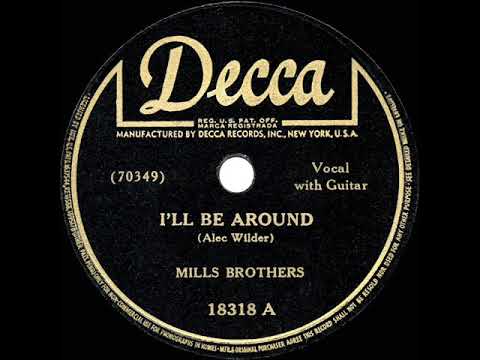
During the 1940s, America was deeply entrenched in World War II, and music served as both an escape and a morale booster. Big band swing was at its peak, with artists like Benny Carter leading the charge. This era was marked by the prevalence of shellac 78rpm records, which were the primary format for music distribution before the advent of LPs. "Poinciana" fits seamlessly into this landscape, offering listeners a blend of sophisticated melodies and rhythmic swing that was perfect for both listening and dancing.
Production and Arrangement
Benny Carter's version of "Poinciana" is notable for its rich arrangement, featuring a full brass section that delivers a warm, resonant sound. The track's tempo is smooth yet lively, making it an ideal choice for dance floors of the era. Carter's skillful use of orchestration highlights his ability to blend different instrumental textures, creating a dynamic and engaging listening experience.
Notable Covers and Legacy
While Benny Carter's rendition of "Poinciana" remains a classic, the song has seen various interpretations over the years. One of the most famous covers is by jazz pianist Ahmad Jamal, whose 1958 version brought a new level of popularity to the track. Jamal's interpretation is often credited with influencing the development of modern jazz. The enduring appeal of "Poinciana" lies in its timeless melody and the way it captures the spirit of an era, ensuring its relevance to both historical and contemporary audiences.


Comments (0)