
Little Brown Jug
First released in 1939
Introduction
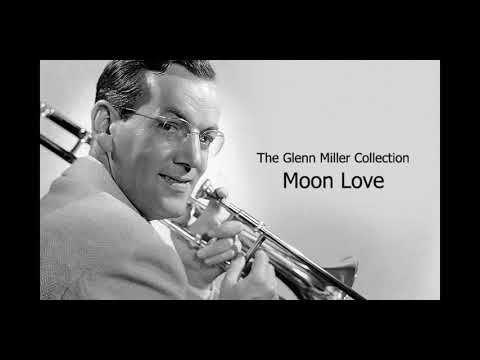
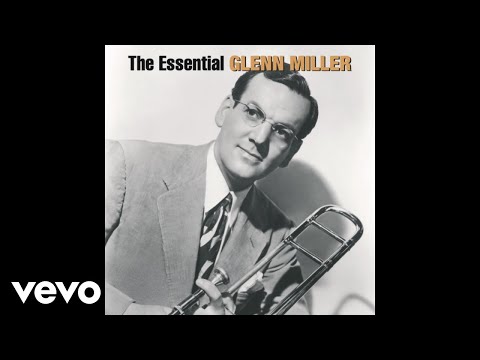
"Little Brown Jug" by Glenn Miller is a quintessential track from the 1930s that perfectly captures the spirit of the swing era. Originally a folk song from the 19th century, Miller's rendition transformed it into an iconic big band number. Released during the Great Depression, this song provided a much-needed sense of joy and escapism.
1930s Cultural Context
The 1930s was a time of significant musical evolution, marked by the expansion of the swing era and the rise of early jazz orchestration. Glenn Miller's orchestra was at the forefront, delivering music that resonated with audiences seeking relief from economic hardships. "Little Brown Jug" became a dance band standard, embodying the era's upbeat and lively spirit.
Production & Sound
This track is a stellar example of early jazz orchestration, featuring a robust brass section that drives its infectious rhythm. The arrangement highlights the era's early microphone aesthetics, capturing the warmth and clarity of the instruments in a way that was innovative for its time. The precise interplay between the trombones and trumpets showcases Miller's mastery in creating a sound that was both polished and exuberant.
Notable Cover
One of the most memorable live performances of "Little Brown Jug" was by the Glenn Miller Orchestra itself, which continued to tour and perform long after Miller's untimely death. Their live renditions kept the spirit of the original alive, introducing the track to new generations and solidifying its place in music history.
Modern Legacy
Today, "Little Brown Jug" remains a beloved classic, frequently featured in films and retrospectives of the swing era. Its enduring appeal lies in its ability to transport listeners back to a time of big bands and lively dance halls. The track continues to be a staple in swing dance communities, proving its timeless charm and relevance.










Comments (0)