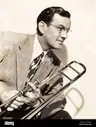
Stairway to the Stars
First released in 1939
Introduction
"Stairway to the Stars" by Glenn Miller is a quintessential piece from the late 1930s, capturing the essence of the swing era. This track stands as a testament to the innovative jazz orchestration that defined the period, offering listeners a glimpse into the rich tapestry of sound that characterized the era.
Cultural Context
Released during the Great Depression, "Stairway to the Stars" provided a sense of escapism and hope. The swing era was in full bloom, and dance bands like Glenn Miller's were at the forefront of musical innovation. The track's crooner style, combined with early microphone aesthetics, allowed for a more intimate listening experience, which resonated deeply with audiences of the time.
Production & Sound
The arrangement of "Stairway to the Stars" showcases Glenn Miller's mastery in blending smooth brass sections with lush string accompaniments. This meticulous orchestration, along with the warm, inviting vocals, creates a sound that is both sophisticated and accessible. The track's tempo and instrumentation are emblematic of the swing genre, making it a dance band standard of its time.
Notable Versions
While Glenn Miller's rendition remains iconic, the track has been covered by numerous artists, each bringing their unique flair. One notable version is by Ella Fitzgerald, whose interpretation added a new dimension to the song's emotional depth, further cementing its place in jazz history.
Modern Legacy
"Stairway to the Stars" continues to be celebrated for its timeless appeal and intricate arrangement. Its influence can be seen in the works of modern jazz musicians who strive to capture the elegance and sophistication that Glenn Miller so effortlessly achieved. The track remains a beloved piece for enthusiasts of the swing and jazz genres, ensuring its relevance for generations to come.











Comments (0)