
I Heard You Cried Last Night
First released in 1943
Introduction to a Wartime Classic
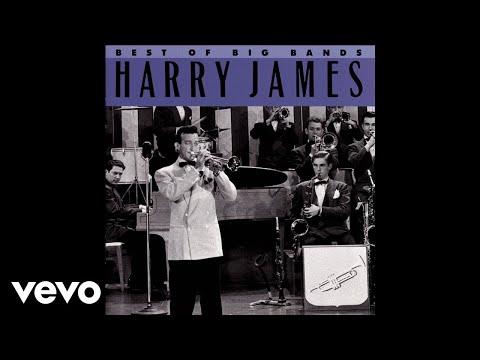
"I Heard You Cried Last Night" by Harry James and His Orchestra is a quintessential track from the 1940s, capturing the essence of the big band swing era. Released during a time when dance halls and radio orchestras were at the forefront of entertainment, this song exemplifies the emotional depth and musical sophistication that characterized wartime standards.
Decade and Cultural Context
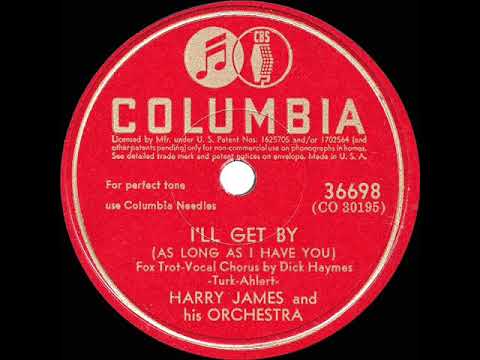
Emerging in the early 1940s, this track became a staple in the repertoire of big band leaders. The era was marked by the shellac 78rpm records, and Harry James, a prominent figure in the jazz and swing scenes, was known for his virtuosic trumpet playing and charismatic bandleading. This song resonated with audiences who found solace and joy in music during the challenging times of World War II.
Production and Arrangement
The arrangement of "I Heard You Cried Last Night" showcases the lush orchestration typical of Harry James and His Orchestra. The track features a smooth blend of brass and woodwind sections, complemented by a rhythm section that provides a steady, danceable swing beat. The production highlights James's trumpet prowess, weaving emotive solos that elevate the song's melancholic yet hopeful mood.
Notable Covers and Legacy
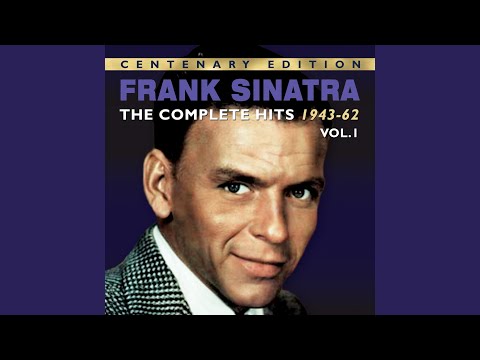
Over the years, "I Heard You Cried Last Night" has been covered by various artists, each bringing their unique interpretation to the classic. One notable version is by Frank Sinatra, whose rendition further cemented the song's place in the American songbook. The track's enduring appeal lies in its timeless melody and emotional resonance, ensuring its relevance across generations.
Why It Remains Relevant
Today, "I Heard You Cried Last Night" continues to captivate listeners with its blend of nostalgic charm and musical excellence. It serves as a poignant reminder of the power of music to connect people, even in the most trying of times. Its place in the history of big band swing and jazz vocals underscores its significance as a cultural artifact of the 1940s.






Comments (0)