
In the Blue of Evening
First released in 1942
Introduction
"In the Blue of Evening" by Tommy Dorsey and His Orchestra is a quintessential example of the big band swing era, capturing the essence of 1940s wartime standards. Released in the early 1940s, this track showcases the lush arrangements and smooth jazz vocals that defined the period, making it a staple in dance halls and radio broadcasts of the time.
Decade and Cultural Context
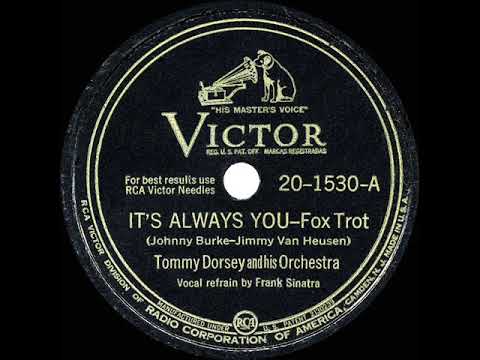
During the 1940s, big band swing was at its peak, providing a soundtrack to both the challenges and the hopes of the wartime era. Orchestras led by charismatic bandleaders like Tommy Dorsey were central to American musical culture, offering a sense of unity and entertainment. This track exemplifies the sophisticated yet accessible sound that was popular in dance halls and on shellac 78rpm records.
Production and Sound
The arrangement of "In the Blue of Evening" is notable for its rich orchestration and the seamless integration of jazz vocals, which were a hallmark of Tommy Dorsey's style. The smooth trombone lines, played by Dorsey himself, weave through the lush strings and brass, creating a warm, inviting sound that is both elegant and emotive. This meticulous arrangement highlights the musical craftsmanship of the era.
Cultural Impact
This song remains a significant piece of the big band repertoire, often revisited by jazz enthusiasts and historians alike. Its enduring appeal lies in its ability to transport listeners to a bygone era of glamour and sophistication. The track has been covered by various artists, including a notable rendition by Frank Sinatra, who was a frequent collaborator with Dorsey and helped popularize the song further.
Modern Legacy
"In the Blue of Evening" continues to be celebrated for its timeless charm and historical significance. It serves as a reminder of the power of music to bring people together during challenging times, and its influence can still be felt in modern jazz and swing revival movements. This track's legacy is cemented by its continued presence in classic jazz collections and its role in preserving the rich history of the big band era.







Comments (0)