
Sunday, Monday or Always
First released in 1943
Introduction to 'Sunday, Monday or Always'
"Sunday, Monday or Always" by Bing Crosby is a quintessential example of 1940s American music, capturing the essence of the big band swing era. Released during World War II, this track became a comforting presence on the airwaves, offering a sense of normalcy amidst the turmoil of the times. Bing Crosby's warm baritone, paired with the lush orchestral arrangement, made it a favorite among listeners.
Cultural Context of the 1940s
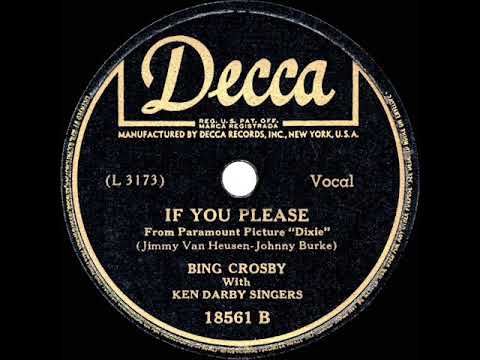
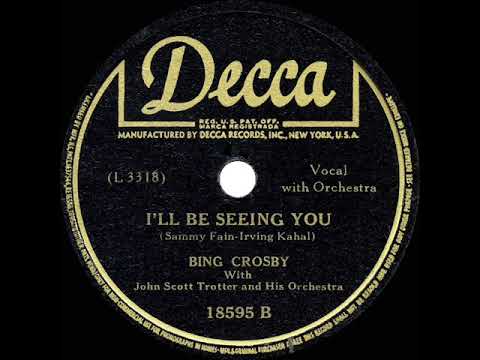
In the 1940s, music served as both an escape and a morale booster during the war years. Dance halls and radio orchestras were the primary venues for experiencing music, and shellac 78rpm records were the standard format. "Sunday, Monday or Always" fit perfectly into this landscape, with its romantic lyrics and soothing melody providing a sense of hope and continuity.
Production & Sound
The track features a classic big band arrangement, with lush strings and a gentle swing rhythm that complements Crosby's vocal delivery. The orchestration is a testament to the era's production values, emphasizing clarity and richness. This meticulous attention to detail in the arrangement helped the song resonate with audiences of the time.
Notable Versions
While Bing Crosby's version remains the definitive recording, "Sunday, Monday or Always" has been covered by several artists, including a notable rendition by Frank Sinatra. Sinatra's interpretation brought a slightly different vocal style while maintaining the song's original charm and appeal.
Modern Legacy
Today, "Sunday, Monday or Always" endures as a classic example of 1940s music, often featured in compilations of wartime standards and big band swing. Its timeless appeal lies in its ability to evoke nostalgia while showcasing the vocal and orchestral artistry of the era. Bing Crosby's performance continues to be celebrated for its warmth and sincerity, ensuring the track's place in the pantheon of American popular music.










Comments (0)