
The Whiffenpoof Song
Introduction
"The Whiffenpoof Song" by Bing Crosby, released in the 1940s, is a charming rendition of a tune that has become an enduring classic. Originally a Yale University tradition, this song found its way into the hearts of many through Crosby's warm and inviting vocal style.
Decade and Cultural Context
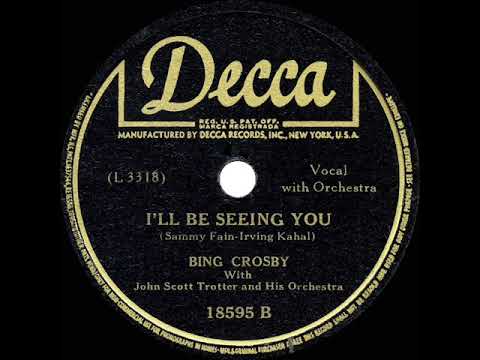
During the 1940s, music was deeply influenced by the big band swing era and the wartime standards that dominated the airwaves. Bing Crosby, a prominent figure in jazz vocals and radio orchestras, brought this track to life during a time when music served as both an escape and a source of comfort. The song was typically enjoyed on shellac 78rpm records, a pre-LP format that was common in dance halls and on radio shows.
Production and Arrangement
Crosby's version of "The Whiffenpoof Song" is characterized by its smooth vocal delivery and lush orchestral arrangement. The track features a gentle swing rhythm that complements Crosby's baritone voice, making it a quintessential example of the era's jazz vocal style. The orchestration provides a rich backdrop that enhances the nostalgic and collegiate feel of the song.
Notable Versions
One of the most notable covers of "The Whiffenpoof Song" was performed by the Yale Whiffenpoofs themselves, a collegiate a cappella group that helped popularize the song. Their version, along with Crosby's, has cemented the track's status as a beloved standard in both academic and popular music circles.
Modern Legacy
Even today, "The Whiffenpoof Song" remains relevant as a symbol of camaraderie and nostalgia. Its inclusion in various films and television shows has introduced the song to new generations, ensuring that its legacy endures. Bing Crosby's rendition, with its timeless appeal and masterful execution, continues to resonate with listeners who appreciate the rich history of jazz vocals and the big band era.










Comments (0)