Editorial playlist
Stay for the Ending: Rock and Pop Outros
Fifteen selections focus on repeated codas, instrumental endings, fades and final chords, including a clearly identified 1977 live Hotel California.
Published November 20, 2026 · Updated November 21, 2026
4 sources & further readingJoin the conversation
Listen here
Follow the repeated closing refrain as individual voices become a shared event. The selected promotional performance has its own pacing and audience presentation.
Artists in this selection



An ending can become the part of a song that stays in your head. Sometimes the singer steps back and an instrument takes over; sometimes a short phrase keeps returning until it feels bigger than the verses. These fifteen selections are ordered around different ways of leaving a song. Keep listening beyond the last complete verse, and ask whether the ending resolves the tension, prolongs it or changes its meaning.
When the song makes another room
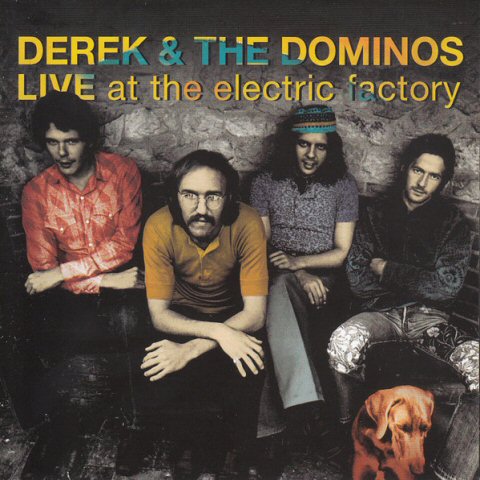
“Hey Jude” is the most direct starting point: the Beatles’ own account describes its move from piano-led verses into a long repeated coda. The selected official promotional performance supplies its own presentation of that communal ending. “Layla” then makes a more pronounced change of character, moving into its piano-led later section. Compare a new musical idea with the extension of an existing refrain. Hey Jude
The Eagles selection is explicitly the official 1977 live “Hotel California,” not an assertion that this is the 1976 album master. Its closing guitar exchange leads into the increasingly dramatic scale of “November Rain” and “Champagne Supernova.” The order then steps down through “Don’t Look Back in Anger” and “All Apologies,” where a returning vocal idea can carry an ending without another large instrumental set piece. Nirvana’s archive places “All Apologies” on In Utero. Release archive
Leave space for the final change
The Radiohead run compares three different relationships between the voice and the surrounding sound. “Karma Police” lets the ending disturb the song’s earlier balance; “Fake Plastic Trees” changes scale before withdrawing; “Street Spirit” keeps its repeating guitar motion central. Follow what remains after the most emphatic singing, rather than treating every quieter moment as the same kind of fade.
“The Chain” brings the low instrumental figure forward before the shorter music-video edit of “Sultans of Swing” supplies a different guitar-led exit. Prince and the Doors stretch the closing stretch again, then “A Day in the Life” ends with the sustained piano chord documented by the Beatles. Video edits and performances have different lengths, so the notes describe the selected versions without promising complete album tails. A second pass works well in pairs: repetition versus contrast, fade versus a final held sound. Final chord
Sources & further reading
4 references
- The Beatles: Hey Jude
Checked November 19, 2026
- The Beatles: A Day in the Life
Checked November 19, 2026
- Nirvana: In Utero official release archive
Checked November 19, 2026
- Prince Estate: Purple Rain
Checked November 19, 2026
Comments (0)
What do you hear? Share a musical detail, a memory or a question. Keep it thoughtful and on topic.
Loading comments…