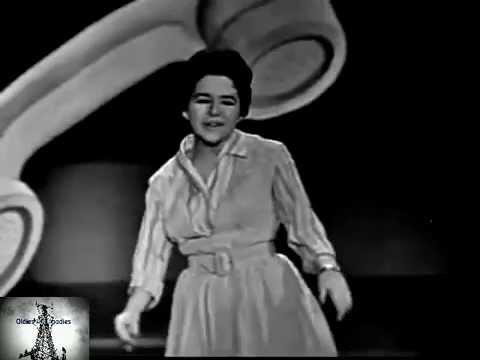
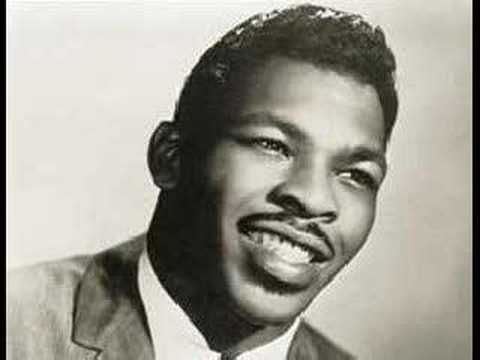
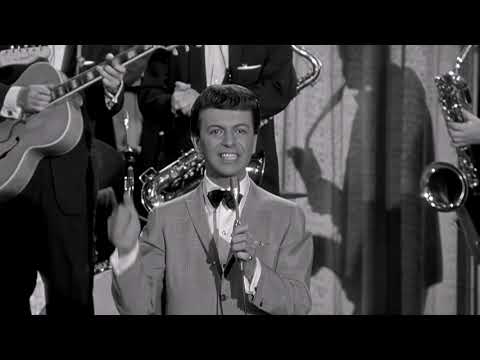
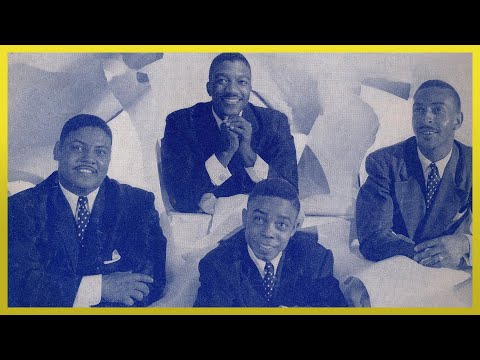
The 1950s marked a pivotal decade in music history as Rock 'n' Roll emerged onto the scene, captivating audiences and influencing generations. This groundbreaking genre broke away from the norms and revolutionized the music industry, offering a new sound that resonated with the youth and challenged the status quo.
The cultural backdrop of the 1950s was one of post-war optimism and burgeoning consumerism, providing fertile ground for the rise of Rock. As teenagers sought an identity separate from their parents, Rock 'n' Roll became the perfect outlet for rebellion and self-expression, fueled by a blend of rhythm and blues, jazz, and country influences.
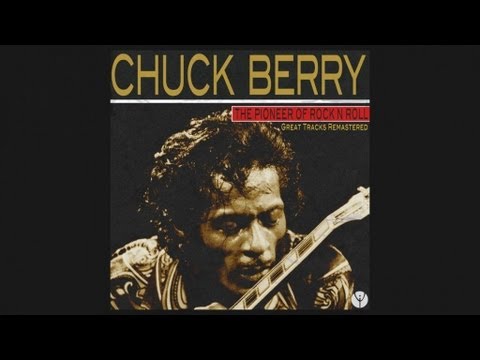
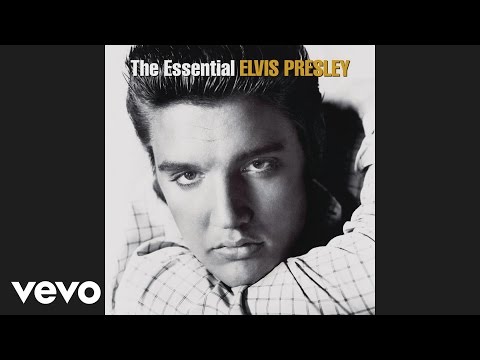
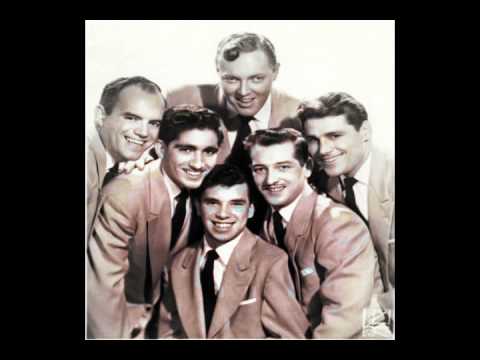
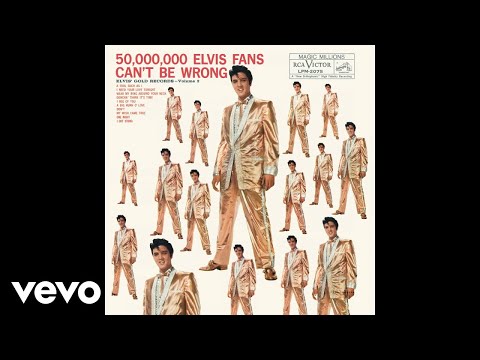
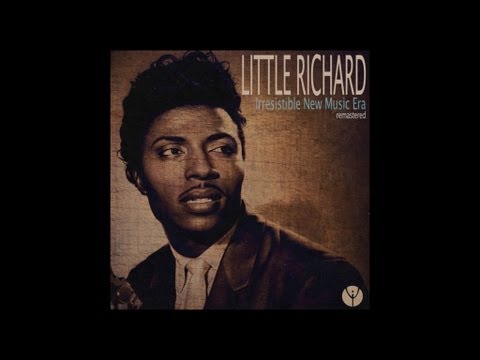
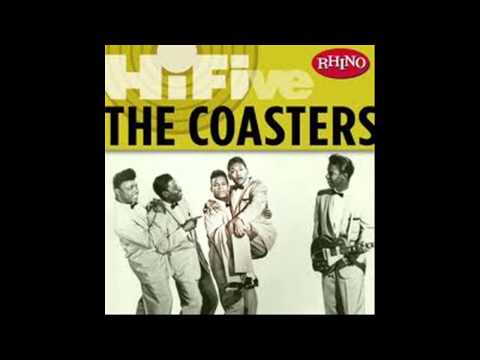
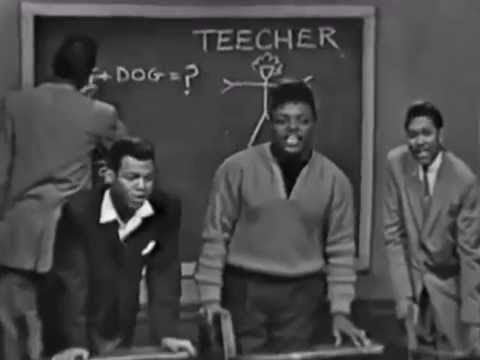
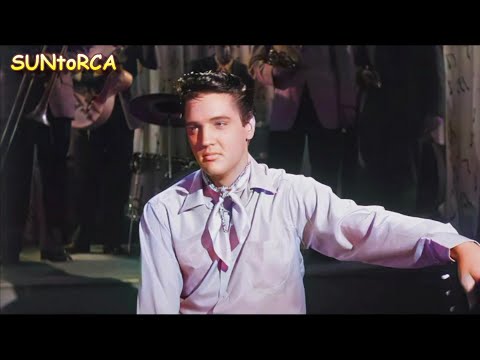
Characteristic of 1950s Rock were its infectious rhythms and charismatic performers. Icons like Elvis Presley, Chuck Berry, and Little Richard brought electrifying performances and catchy tunes that set the stage for future music trends. The use of electric guitars, amplified sounds, and a strong backbeat became defining elements of the genre.
The legacy of 1950s Rock continues to resonate today, as it laid the groundwork for countless subgenres and artists that followed. Its influence extended beyond music, impacting fashion, language, and attitudes, making it an indelible part of cultural history. The spirit of innovation and rebellion that defined Rock in the 1950s still echoes in the music of today.